
Transylvania
Peleș Castle Interior: Rooms, Visit Routes and Tickets
We may earn a commission from some links on this page.
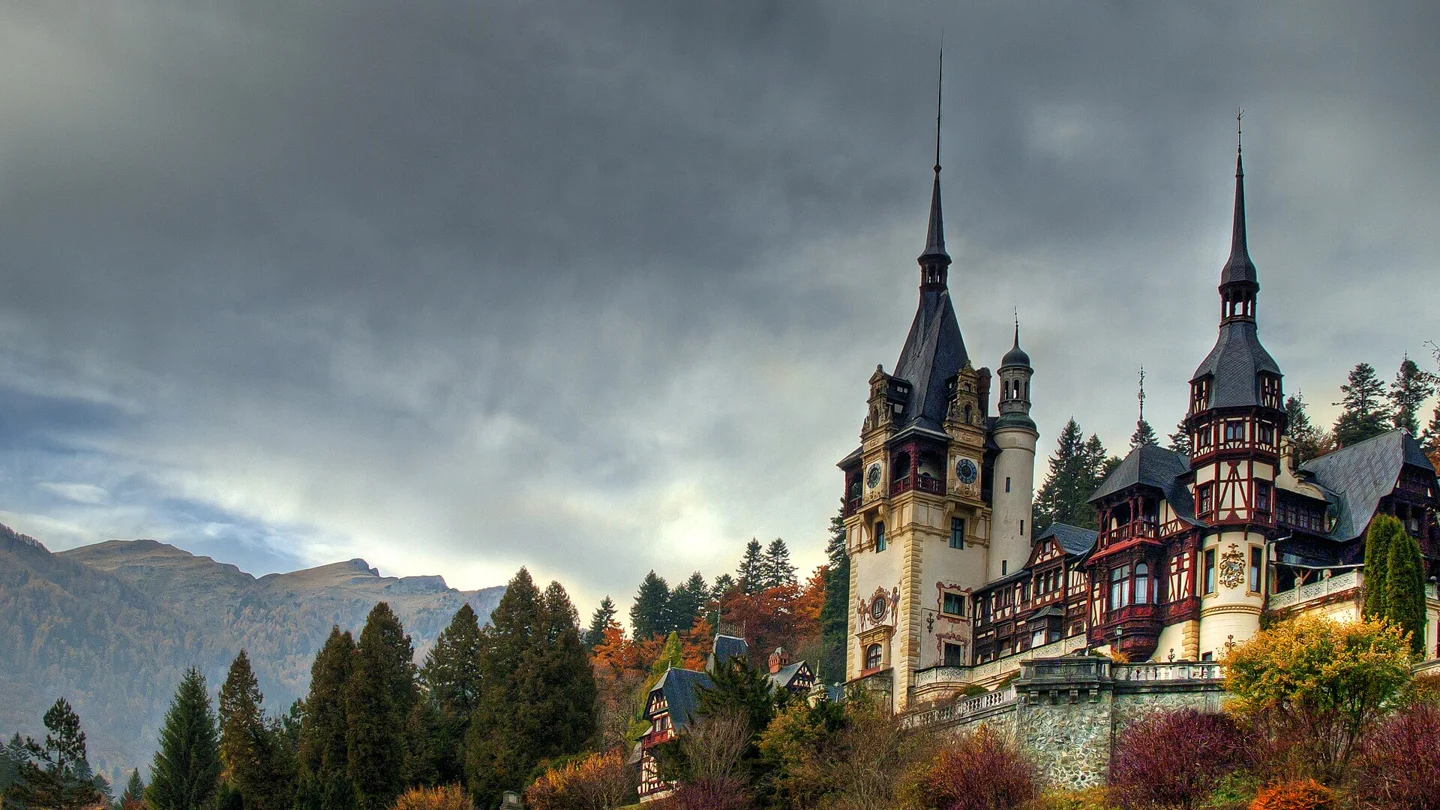
The short answer
Peleș announces an interior closure from 2 November to 1 December 2026 for cleaning and preventive conservation. Plan a later interior visit only after checking the applicable notice and booking interval.
What's covered9
By Unseen Romania · Updated
For the Peles Castle interior, choose the official museum circuit and a date outside the announced closure. Book through the museum's ticket channel. Peleș and neighbouring Pelișor are separate buildings, and a grounds visit does not include their rooms.
Choose an interior visit
Choose Peleș for royal interiors, decorative arts and residential architecture. It differs from Bran's fortified setting. Visit both on one day only if the complete route and admission arrangements fit.
Start with the museum's own details. Peleș National Museum publishes the visitor programme and links to its ticket service. A hotel gallery or a broad castle tour is not the source for current interior access.
Decide whether you want to visit independently or with commentary. Compare the available service: an audio guide, a group formed at entry and a private guide provide different experiences.
Pelișor has its own history, rooms and admission arrangements. A product mentioning the royal estate should specify the buildings included rather than implying access to every interior.
If the interior leads the trip, establish access before booking transport and accommodation. An exterior walk can be worthwhile, but decide whether it meets your interests rather than accepting it automatically as a substitute.
Current museum circuits, closures and booking
For a suggested visit after reopening, arrive with time for the uphill approach and ticket interval. Follow the museum's permitted sequence, using the Hall of Honour as a first reference for the residence's scale. Compare a formal room with a smaller space when both are on the circuit, then look at one material such as carved wood or stained glass across the rooms you enter.
Leave optional visits to Pelișor or the grounds until the Peleș circuit and return journey are clear. If one member of the group wants a shorter day, finish the interior together and use a meal in Sinaia as the shared endpoint. This is a suggested way to pace the visit, not a promise of access to a particular room or an additional building.
The official programme announces that Peleș is closed from 2 November to 1 December 2026 for cleaning and preventive conservation. The notice controls the interior plan during that period.
The same page lists a Peleș ground-floor and first-floor entry category, with an adult tariff of 100 lei. This is a listed category and reference price, not proof of availability during the closure or a promise about a later checkout.
| Visit decision | Official reference | What it means for the plan |
|---|---|---|
| Peleș interior | Museum circuit and date-specific ticket | Check the closure before choosing a slot |
| Pelișor interior | Separate building and ticket | Do not infer it from a Peleș purchase |
| Guided service | Museum's applicable visitor arrangement | Check the language and formation of the group |
| Grounds or exterior | Separate access question | Not equivalent to the room route |
Scroll for more →
The museum directs visitors to bilete.peles.ro or its named local payment machines. Its notice warns against unauthorised ticket sources. Use the museum's route. Avoid assuming a reseller can issue each entry category.
The official programme says entry takes place in the purchased interval and arrival order within it. It also states that purchased tickets cannot be rescheduled or refunded under the listed general conditions. Read the exact conditions before purchase.
Choose the admission interval after allowing for the train to Sinaia and uphill approach. The first available slot may be too early for your arrival, particularly with bags.
Check concession categories and proof against the museum's own terms. A broad merchant label is not enough to establish eligibility. If access needs require an arranged visit, use the museum's listed access contact route before paying.
Rooms and collections on the available route
The museum's history of Peleș explains the building as a residence commissioned by King Carol I and developed through successive design phases. The room discussion below gives themes to look for, not a promise that each named room is on a chosen day's route.
Begin with the Hall of Honour
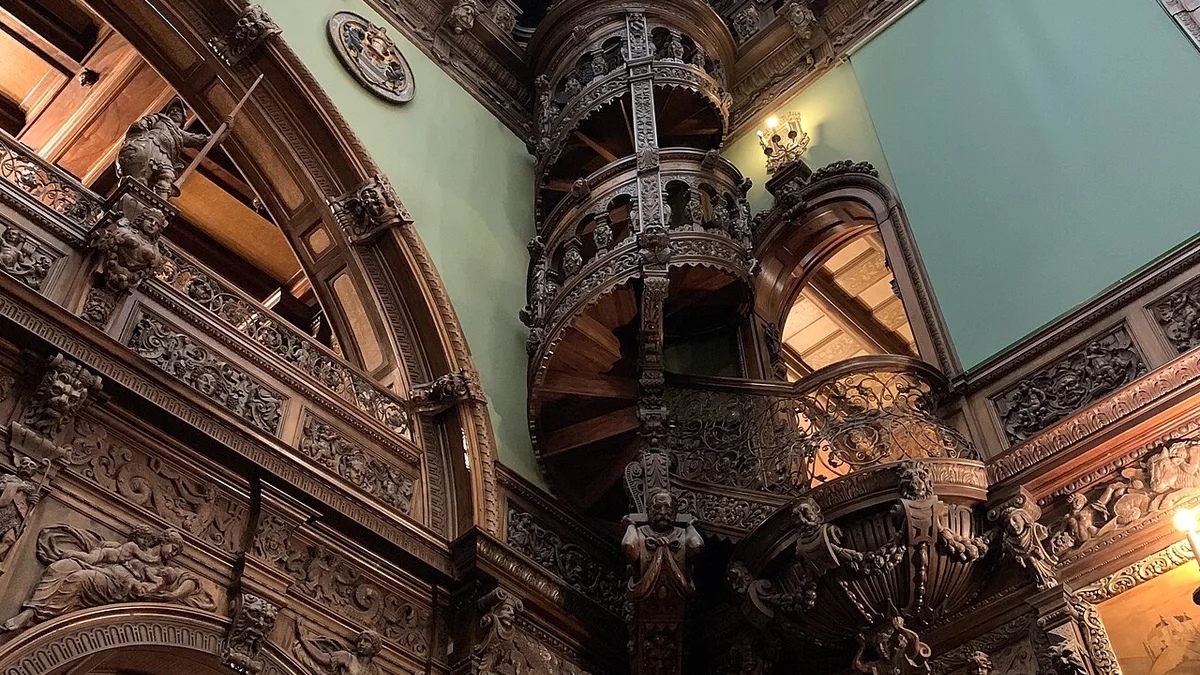
The Hall of Honour is a good place to think about the residence as a whole. Look at the scale of the room, the woodwork and the way the space connects the building. It helps explain how a royal house could serve both domestic and formal purposes.
The museum describes the hall's German Renaissance design with Baroque accents. Use that as a way to look closely. Avoid a list of style labels to memorise.
Notice the effect of dark wood, carving and vertical space, then compare it with a lighter salon. A close look at one surface can reveal more than trying to photograph the whole room at once.
Compare the formal rooms
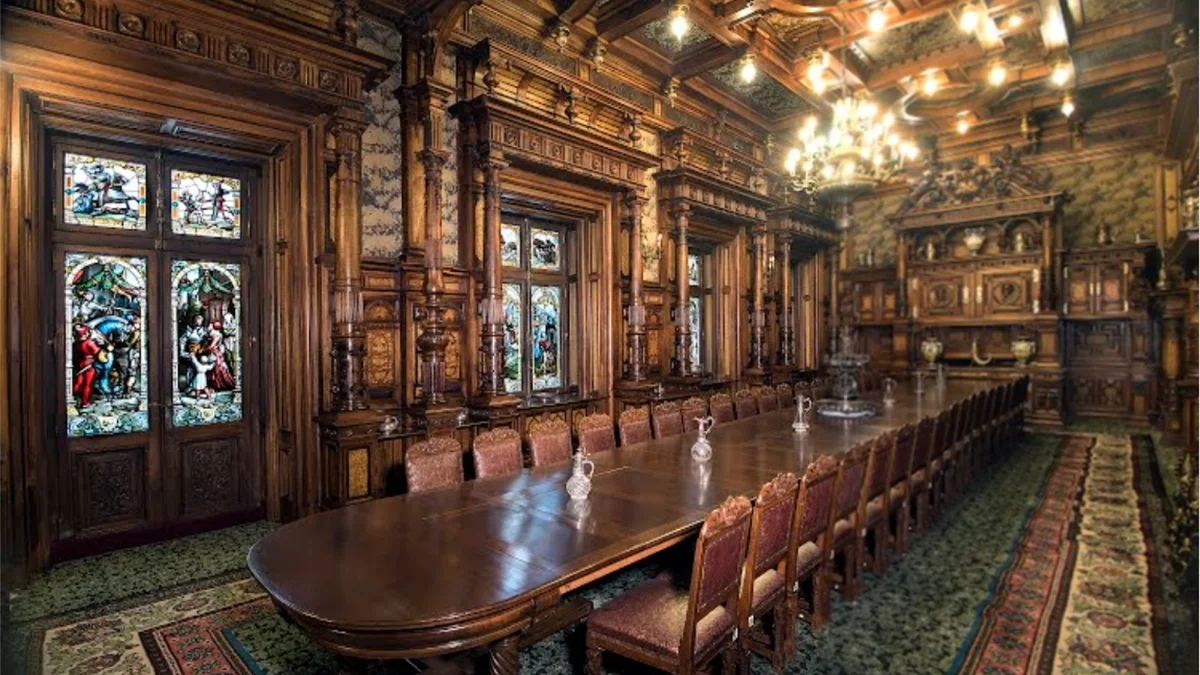
The museum identifies the Florentine Hall, Moorish Hall and Column Hall among the residence's rooms. Their names point to different decorative references.
When those spaces are on the open route, compare the room's purpose with its decoration. Ask how a reception setting differs from a place used for music or private life. That gives the visit a clearer thread than treating each room as an isolated photo opportunity.
Look at ceilings, wall finishes, doors and furniture together. A room's effect comes from their relationship, not one object alone. If the route is busy, choose a few details to examine. Avoid expecting to stand in the centre for an uninterrupted view.
Look for the role of music and performance
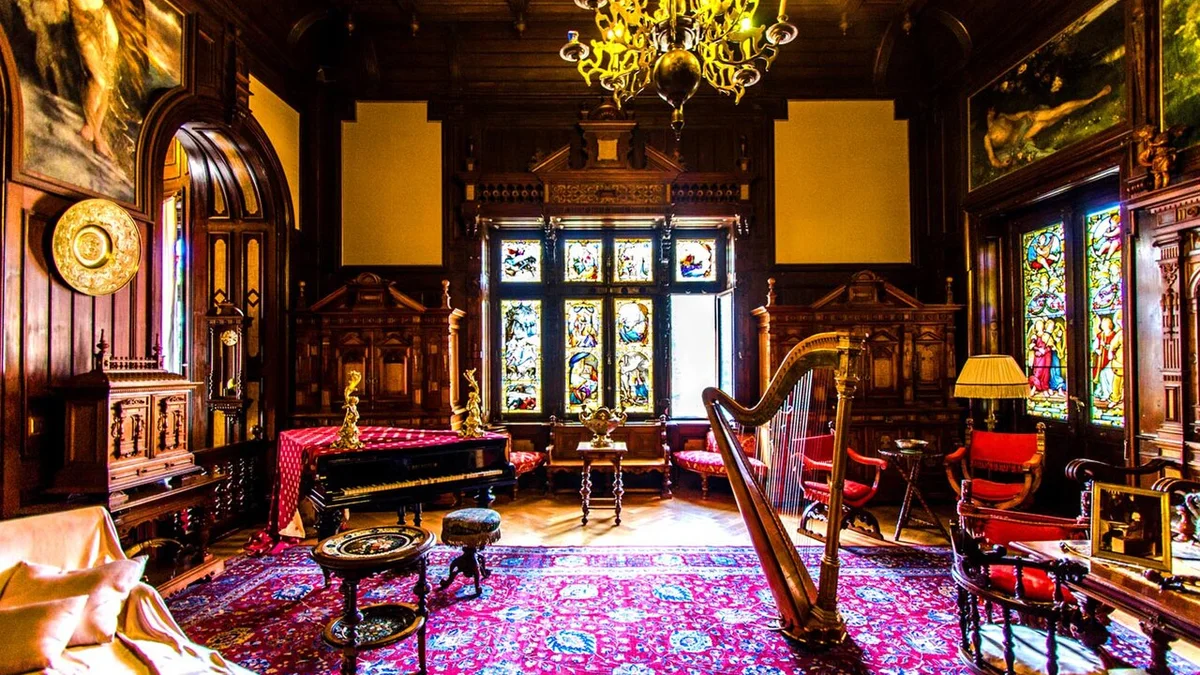
The museum history discusses music rooms and a theatre that was adapted for film projection. These spaces help show the residence as a place of cultural life as well as formal representation.
If a guide discusses a room's use, connect the explanation to the layout. Where would people sit, enter or perform? A visitor can learn more from that question than from collecting another room name.
A room's historic use for performance does not establish a concert during your visit. Live events and special access require their own dated programme.
Consider the arms collections as displays
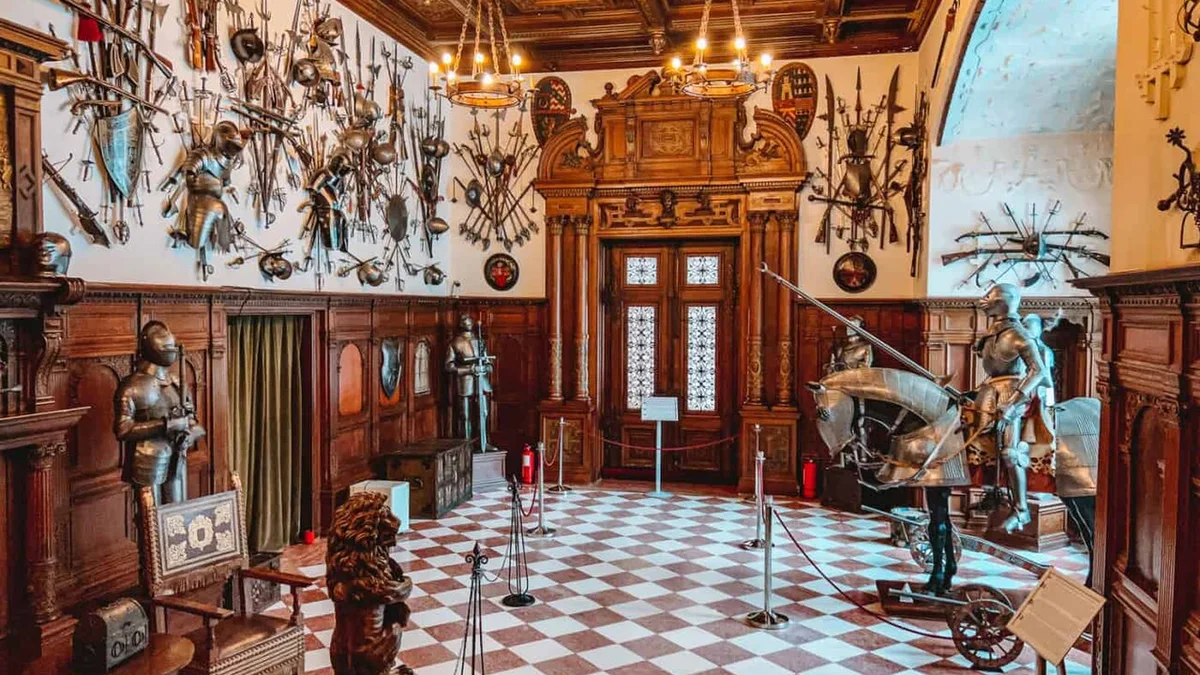
The arms rooms are part of the museum's account of the interior. Approach them as collections arranged within a royal residence, not as proof that each displayed object was used by the same person or in the building itself.
Read the context for the objects you find most interesting. A display can mix periods and origins. Avoid turning a broad room label into a precise historic claim without the museum's supporting details.
For visitors less interested in weapons, use the room to examine display, craftsmanship and the relationship between collection and design. The visit can have more than one thread without each person needing the same specialist interest.
Notice stained glass and smaller details
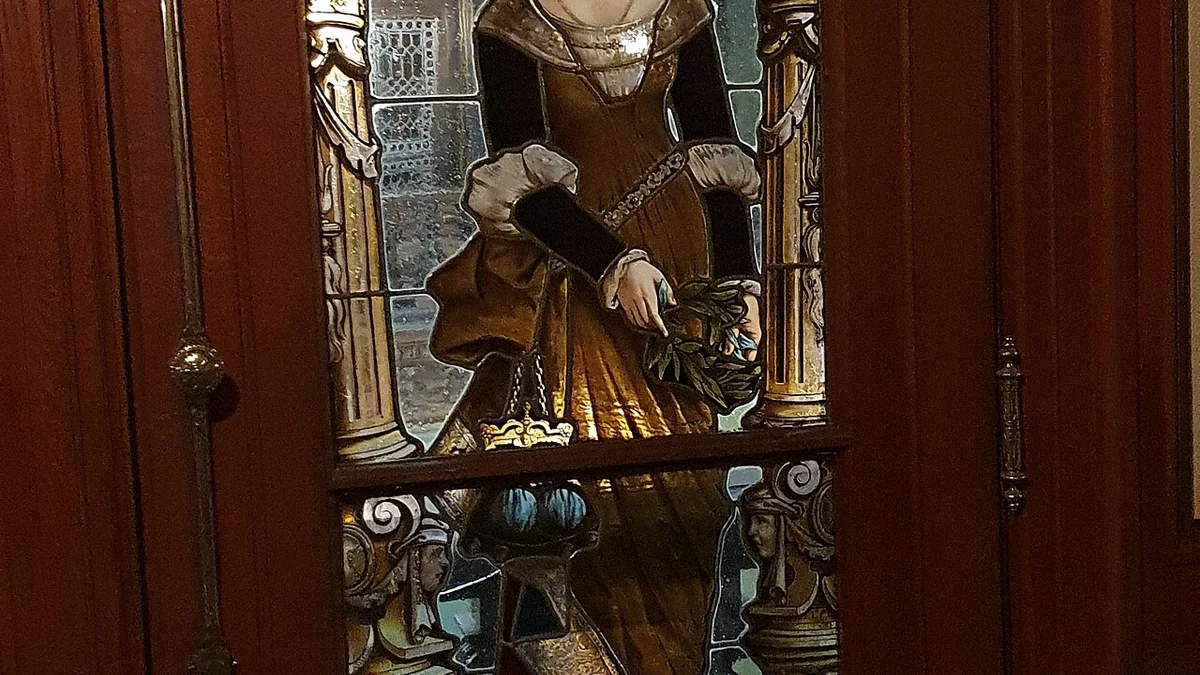
Peleș rewards attention to doors, windows, fittings and decorative surfaces. The museum's history names several makers and suppliers involved in the interior.
Choose a small set of details to follow through the route. Compare the treatment of light, wood or patterned surfaces from room to room. That gives you a way to remember the visit beyond a gallery of broad interior photos.
Respect barriers and the staff's instructions while looking. The objects and surfaces are the reason for the conservation work as well as the site. A closer view should not come at the cost of touching or leaning where it is not allowed.
Understand the upstairs scope before expecting it
The museum history describes royal and guest apartments as part of the building's development. That building record is not a current entry list.
Read the circuit's included floors and rooms. Older reviews may describe a route no longer offered, and an apartment photograph does not establish access with today's ticket.
If a particular room is central to your interest, confirm that it is included before purchase. Buy a broader circuit only when you know which additional rooms it opens.
Time, photography, accessibility and restrictions
Allow time for the approach, admission interval and room circuit. A tour's short stop estimate may not suit an independent visit at a slower pace.
Choose a manageable amount to examine. A first visit can focus on the Hall of Honour, a few formal rooms and the contrast with more domestic spaces. You do not need to identify each object to leave with a clear sense of the residence.
Read the museum's visitor rules for the exact visit. Check bags, photos and any kit before arrival. A personal entry ticket does not always establish permission for professional image-making.
If you want to take photos, consider the visitor flow as well as the rules. Narrow spaces and groups can limit the time available. Keep the camera from becoming the only way you look at the rooms.
For access, use the museum's access details and discuss the exact route. Ask about the approach, entrance, steps, floors and any arranged service. A facility at the entry area does not establish that each interior is accessible.
If you need a slower visit, build that into the wider plan. Do not pair a tightly timed room route with an immediate train or a demanding mountain outing. The best sequence leaves enough margin for the group. Avoid assuming everyone moves at the same pace.
For outdoor waiting and the approach, check ANM. The interior focus does not remove the weather from the whole trip. This matters if you walk from the station or town.
Getting there from Sinaia
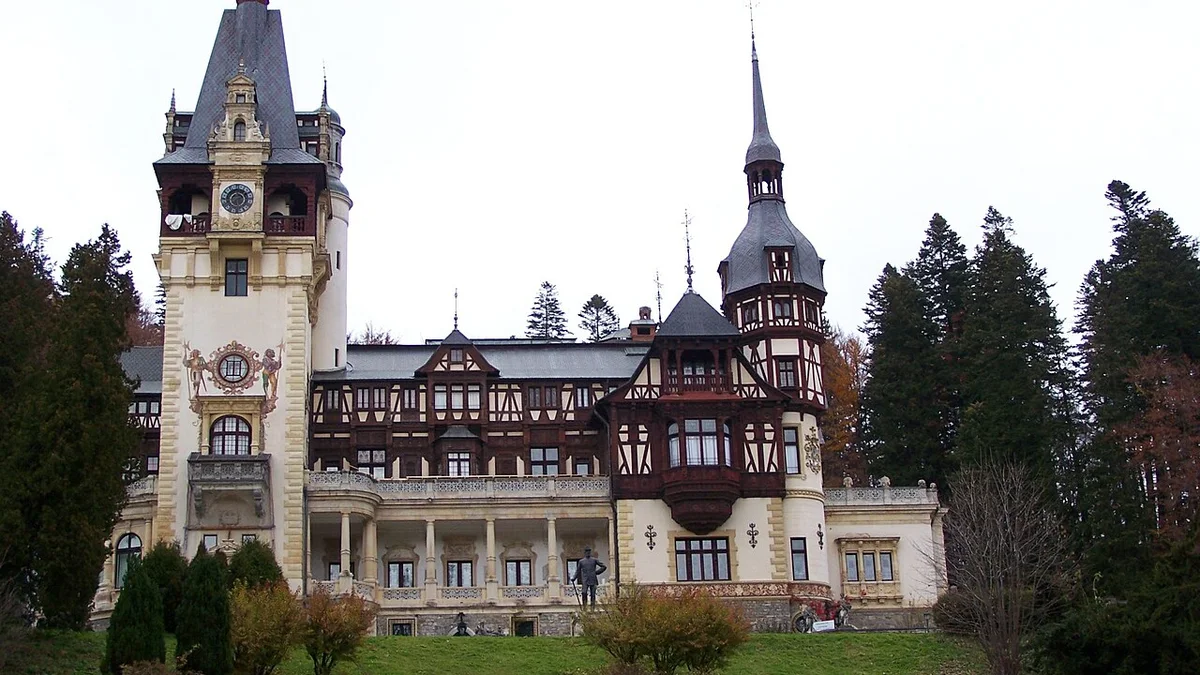
Search CFR Călători for the chosen rail date and station pair. Then plan the local approach to the museum. The castle entry is not at the station.
If walking, allow for the exact route and the group's needs. A short map distance can still include an uphill approach. With bags, settle storage before beginning the castle visit. Avoid assuming the museum can hold everything.
For a taxi, agree on a permitted drop-off and the return. For driving, use current parking and entrance instructions rather than navigating to the building's door.
The Sinaia guide compares the town stay, rail arrival and other experiences. An overnight can give the interior a calmer place in the route. Meanwhile, a day stop can work if the bags and onward connection are clear.
If continuing to Brașov or Bucharest, book around a realistic full visit. Leave enough time to collect bags and reach the correct station. The earliest hoped-for finish should not be the only version of the plan that works.
Verified ticket and tour alternatives
The official museum ticket route is the baseline for interior access. Compare any third-party service against that category, date and interval. A product may add a guide or transport. But it should not obscure who provides the exact museum entry.
For a multi-stop tour, establish the closure-period substitution. An exterior visit is a different experience from the rooms, so decide whether the revised day still fits before paying.
For an escorted road trip, compare the Bran, Peleș and Sinaia Monastery tour from Brașov.
Use the Brașov tour comparison for escorted programmes. It distinguishes the full road circuit from the ticket decision. The extra stops should be places you want, not a reason to accept unclear Peleș entry.
For another castle, compare Bran on its own history, building and entry. Do not expect a second interior to reproduce the same collection or room route. A smaller number of well-chosen visits can work better than a long castle checklist.
For the wider stay, use where to stay in Transylvania. A fitting base and a clear arrival often improve the visit more than a complicated bundle of services you do not need.
Plan a shared visit around different interests
Agree what each person wants to see before entry. One may care about the rooms as a whole. Another may want to look closely at wood, glass or furniture.
Choose a few shared stops. Then use the rest of the route at a pace that works for both. There is no need to turn the visit into a contest over how many details you can name.
With children, keep the focus concrete. Look at a door, a window or the scale of one room. Take breaks where the route allows. Do not promise an activity from an old photo or let an optional extra determine the whole day. Ask staff about the route and follow the rules for the objects on display.
Keep the booking chain clear
Before purchase, write down the building, date and entry interval. Check who holds the exact museum ticket. If a guide is part of the plan, note where you meet and whether the guide goes inside. If a ride is included, note where it ends and how the return works. These details should describe the same day.
Save the ticket and terms. You can reach them without a new search. Leave time to get from the drop-off to the entry.
Keep the next train or meal far enough away that a queue does not consume the whole margin. A calm room visit starts with a clear arrival. Avoid a rush through the first spaces.
Afterwards, pause before continuing into town or travelling onwards. The rooms contain a lot of detail; a break gives you time to absorb the visit before the next journey.
Read the room as a whole
Look from the doorway before moving to a small detail. Notice where the light falls and how the main objects sit in the room. Then choose a label or feature to read more closely. This gives the room a clear shape in your memory, even if you do not take a photo.
Keep the room's use in mind. Formal reception rooms and private spaces can use similar materials to different effect. Ask about that purpose if it is unclear rather than trying to memorise every name.
Leave the objects where they belong in the story. A fine chair or glass panel is part of a setting, not just a stand-alone item. Following one theme through the open rooms can make the visit easier to follow without adding more stops.
Verdict
Choose the Peles Castle interior by the current circuit and date, outside the announced closure. Arrange Pelișor admission, grounds access and transport separately. Give the rooms on your circuit time rather than following a checklist drawn from older photographs.
Frequently asked questions
What is the announced current closure?
The museum announces Peleș closure from 2 November to 1 December 2026 for cleaning and preventive conservation. That notice takes priority over a generic tour description. Check the applicable date before booking an interior-led outing or assuming an exterior visit is equivalent.
Does a Peleș ticket also admit me to Pelișor?
They are separate buildings with their own admission arrangements. Read the ticket category rather than assuming a royal-estate label includes both. To visit both interiors, match their opening dates and circuits and leave time to move between them.
Are all rooms and floors on the history page open?
No such access should be inferred from a building history. Read the purchased circuit and current museum notices. Older photos and reviews may show rooms outside the open route. Confirm a chosen room before buying if it is the main purpose of your visit. Avoid relying on a broad package name.
Where should I buy official museum admission?
The museum directs visitors to bilete.peles.ro and named local payment machines. Read the admission interval, rescheduling and refund conditions. A separate guide or transfer provider should explain who supplies the actual museum ticket.