
Bucharest
Things to Do in Bucharest: Sights, Neighbourhoods and First-Trip Choices
We may earn a commission from some links on this page.
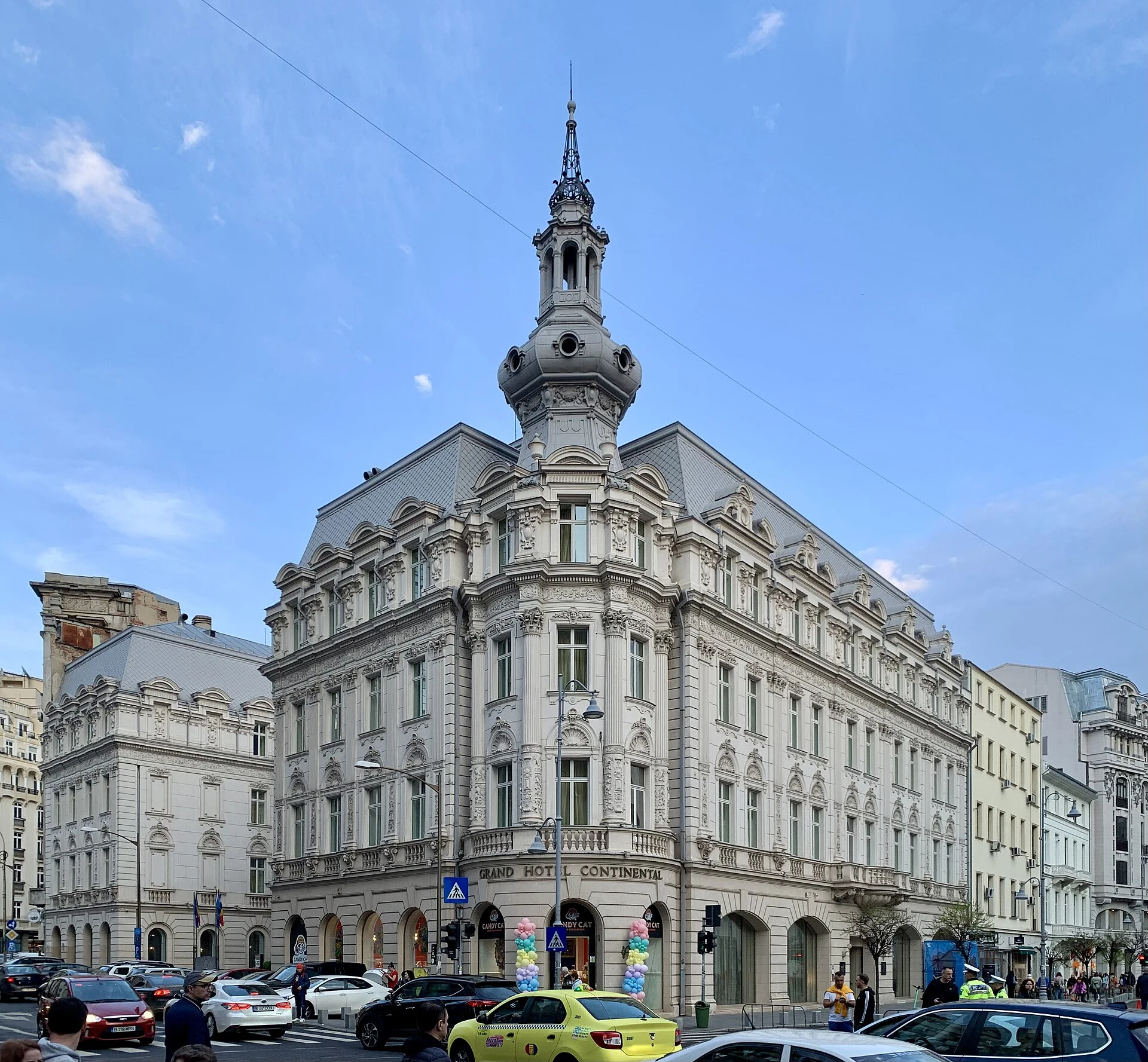
The short answer
For a first visit, give the historic centre a walk, choose one longer interior and see a different part of the capital. Old Town is compact and useful for orientation; the Palace needs its own entry plan; northern museums and parks need travel time. Stay longer if you want both several city days and a day trip. Pick the base and the route together.
What's covered10
- Choose your first Bucharest visit
- Things to do in Bucharest, grouped by geography
- Compare Old Town with other visitor areas
- Orient the city before setting out
- Food, arrival and getting around
- A one-day choice and a longer capital stay
- Accommodation and practical limits
- Choose an indoor visit that fits your interests
- Questions about things to do in Bucharest
- Verdict on a first capital visit
By Unseen Romania · Updated
Choose things to do in Bucharest by joining nearby places, instead of chasing a capital-wide list. Start with Old Town and Calea Victoriei, decide whether you want a Palace of the Parliament interior visit. Then add a museum or park that fits your interests. The city rewards a plan with time for meals and ordinary streets between the landmarks.
Choose your first Bucharest visit
Find the capital and its onward routes on the Romania map, then compare Bucharest's temperatures, rain and daylight in Romania weather by month.
The most useful starting question is what you want from the capital. Architecture, political history, art, food and a relaxed city break produce different routes. Choose a main interest and let it set the order. You can still see several types of place without giving every one equal time.
If you enjoy street walks, connect Old Town with a section of Calea Victoriei. Look at how the lanes meet the larger avenue. Add a museum only when its collection interests you. A familiar building name is a poor reason to spend a whole afternoon inside if another place better fits the trip.
If the Palace is your priority, put its confirmed visit first. Arrange the rest of the day around the actual entrance and timing. Keep another major museum for a separate day. Two large interiors can use more energy than the distance between them suggests.
For a slower visit, choose one central area each day and keep the north of the city for another. Parks can provide a break between interiors. They also deserve time of their own. Do not turn every green space into a shortcut on the way to the next appointment.
If Bucharest is the start of a wider holiday, leave room to prepare for the onward trip. Confirm the station or car pickup before the final evening. The Romania planning guide connects the capital with the other regions. For the wider experience shortlist, start with things to do in Romania.
Things to do in Bucharest, grouped by geography
The numbered choices below run from the central old streets to places that need a separate trip. The order is geographic, not a ranking of quality. Use it to join stops sensibly. Opening days, entries and performances still need checking with the responsible venue.
1. Walk the Old Town streets
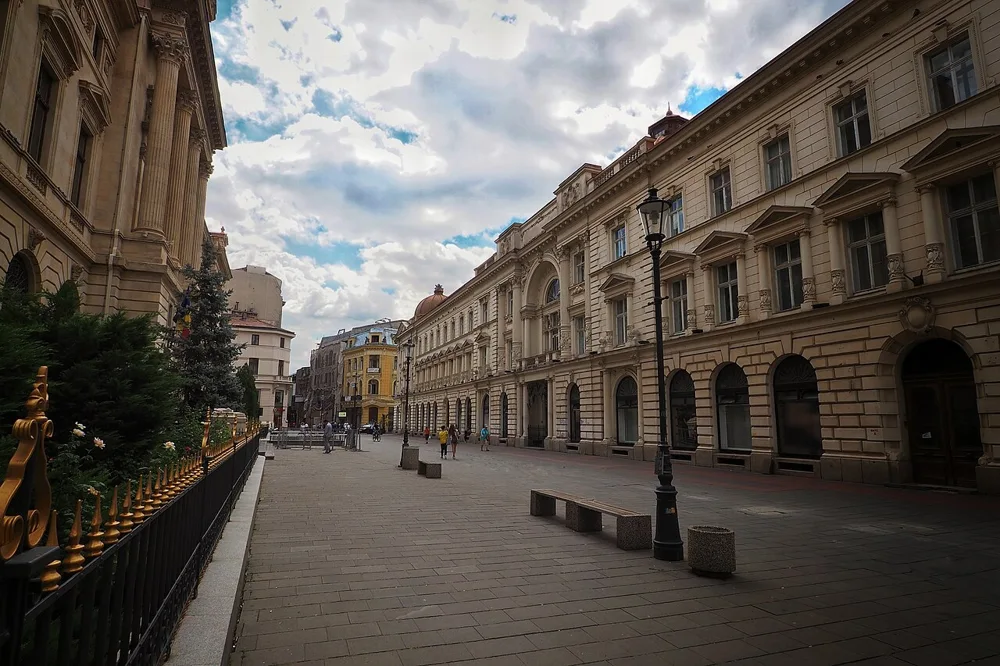

Use the old trading streets for an introduction to the city. Begin near the river, look at the Curtea Veche area and continue through Lipscani toward Stavropoleos. Narrow streets, later façades and working religious spaces sit close together. A walk gives you a better sense of that mixture than a single photo stop.
Go in daylight first if architecture is the main interest. Return for dinner or an evening out if you wish. The Old Town walking guide gives the route and possible museum stops, with time left to see another part of the capital.
Limitation: museum access and church access are separate from walking the streets. Read the venue's current details before expecting to enter. Do not assume every building on a travel map is open to casual visitors.
2. Pause at Stavropoleos
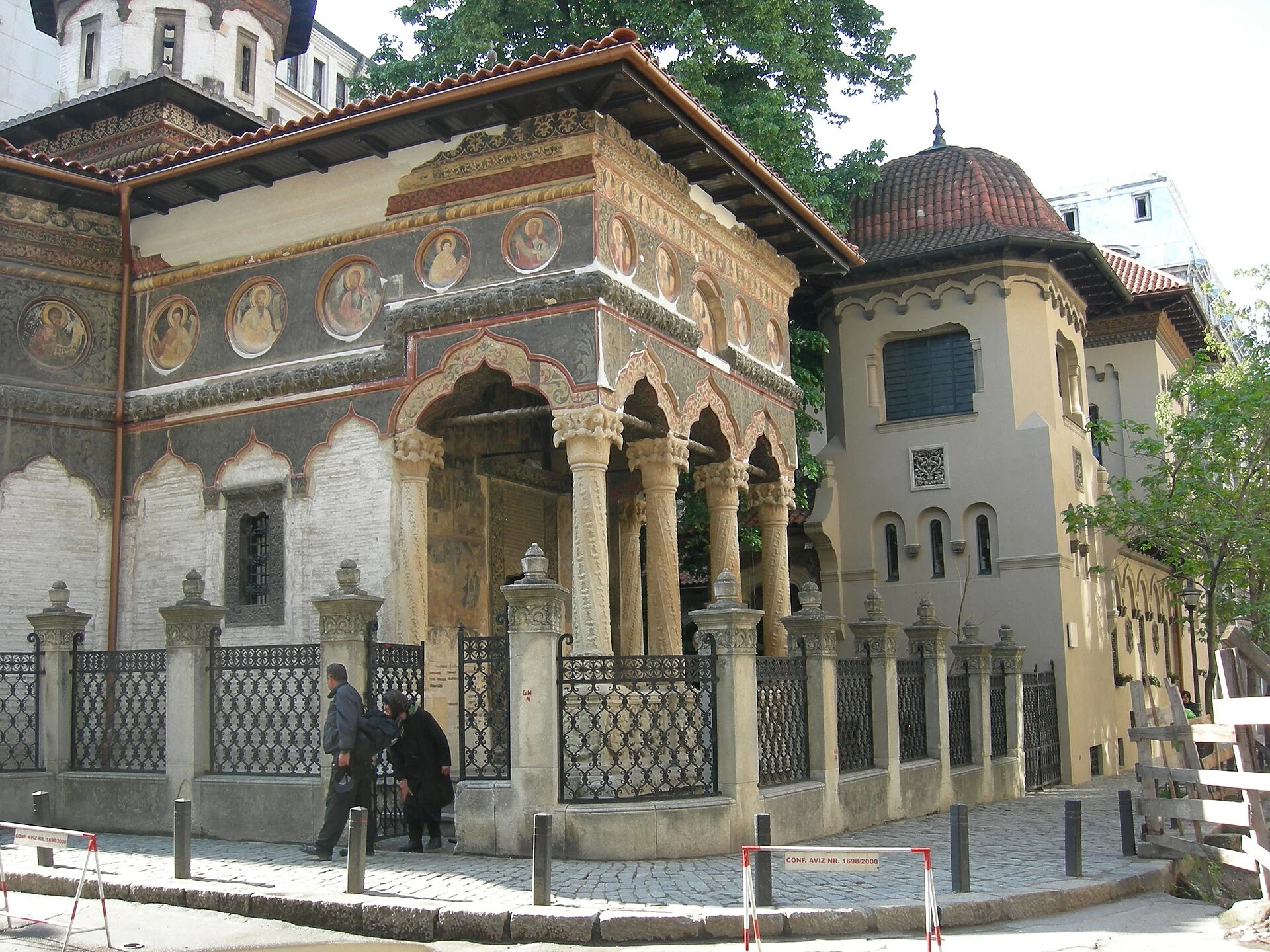

The monastery belongs naturally within an Old Town walk. Its church and courtyard offer a more focused stop than rushing through several religious buildings. Read a little history first. Then look at the stonework and the relationship between the church and its enclosed space.
Use the monastery's own site for its history. Respect worship, follow the photography rules and keep the visit quiet. An exterior view is worthwhile if access is limited when you arrive.
Limitation: this is a working religious place. A tourist route does not take priority over services or the people using it. Give yourself another nearby stop so the day does not depend on entering at one precise moment.
3. Follow a section of Calea Victoriei
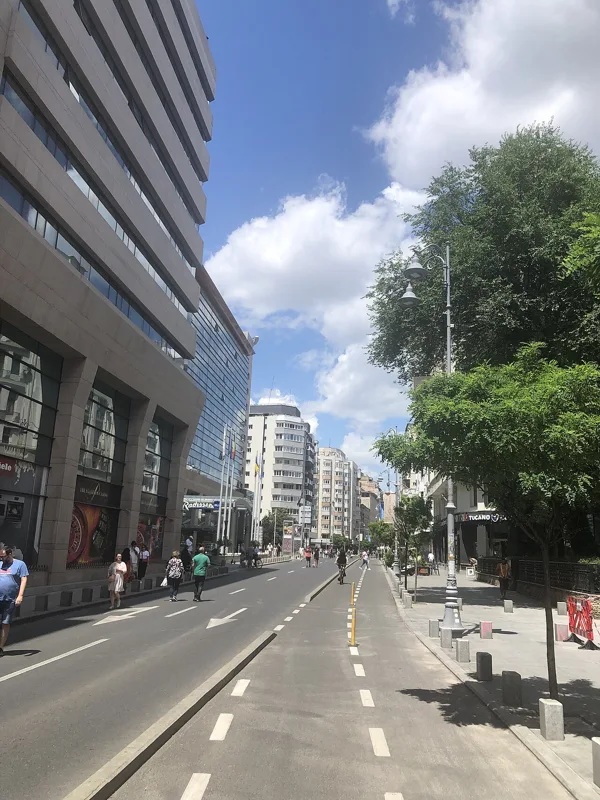

Calea Victoriei gives the visit a different scale from the old lanes. Choose a stretch between places that interest you, with a café or museum as a clear stopping point. You do not need to walk the entire avenue. Look at individual façades and how the street changes as you move north.
Combine this route with an art collection or an exterior look at the Romanian Athenaeum. Leave time to stop along the avenue. In wet weather, give more of the afternoon to the museum.
Limitation: crossing roads and checking entrances add time. A short map distance does not make a museum visit a quick detour. Choose the indoor stop before you set out if it matters to the day.
4. Choose a collection at the National Museum of Art
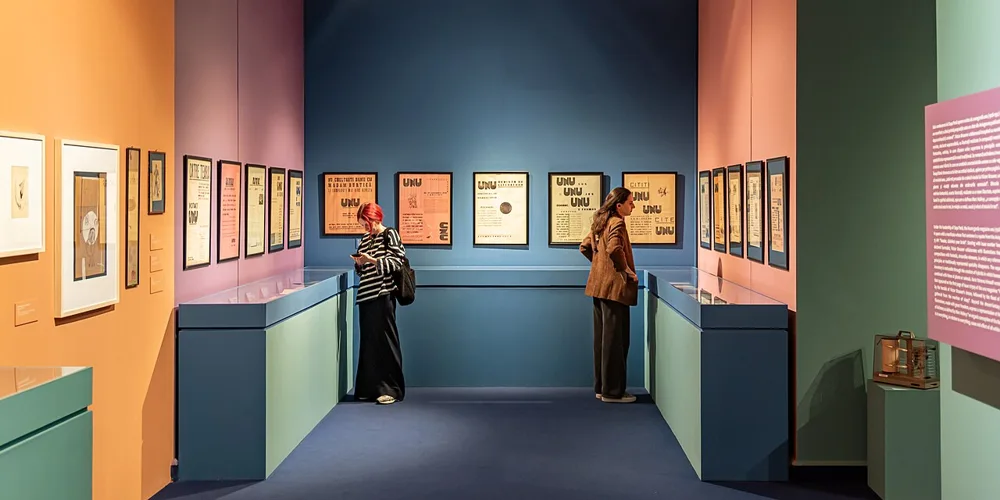

An art visit works best when you decide which collection you want. The museum name can stand for more than one possible route through galleries. Read the current exhibition details, choose your focus and leave time to look at the work. A shorter, attentive visit is better than rushing through rooms to finish a checklist.
The National Museum of Art of Romania provides its own collection and visiting details. Check the current programme instead of relying on a photo of an old ticket board. If you are travelling with someone whose interests differ, agree on the length of the visit first.
Limitation: galleries and temporary exhibitions can have separate conditions. Confirm what the ticket covers. Keep the rest of the afternoon flexible so the museum can take the time you want to give it.
5. See the Romanian Athenaeum in its real context
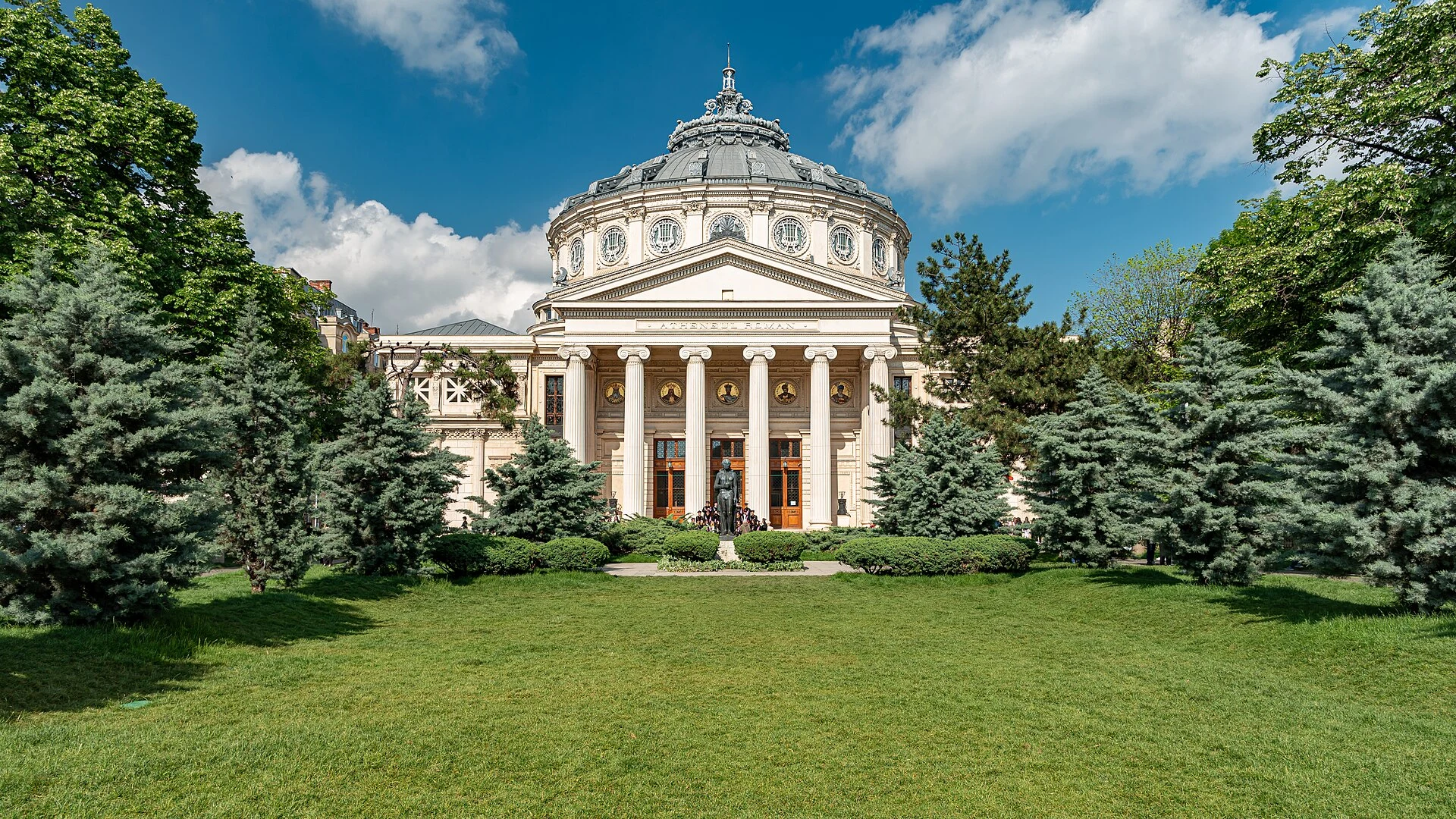

The Athenaeum belongs to the city's musical life, instead of serving only as a landmark backdrop. An exterior stop fits a Calea Victoriei walk. A performance is a separate choice with a date, programme and seat. Decide which experience you want before arranging the evening.
Use the George Enescu Philharmonic for the current concert programme and booking details. Read the actual event details. A photo of the hall does not establish that a public interior visit is available on your date.
Limitation: a concert ticket and a sightseeing visit are different plans. Leave time for the venue's arrival instructions and avoid putting a long dinner immediately before the performance.
6. Visit the Palace of the Parliament
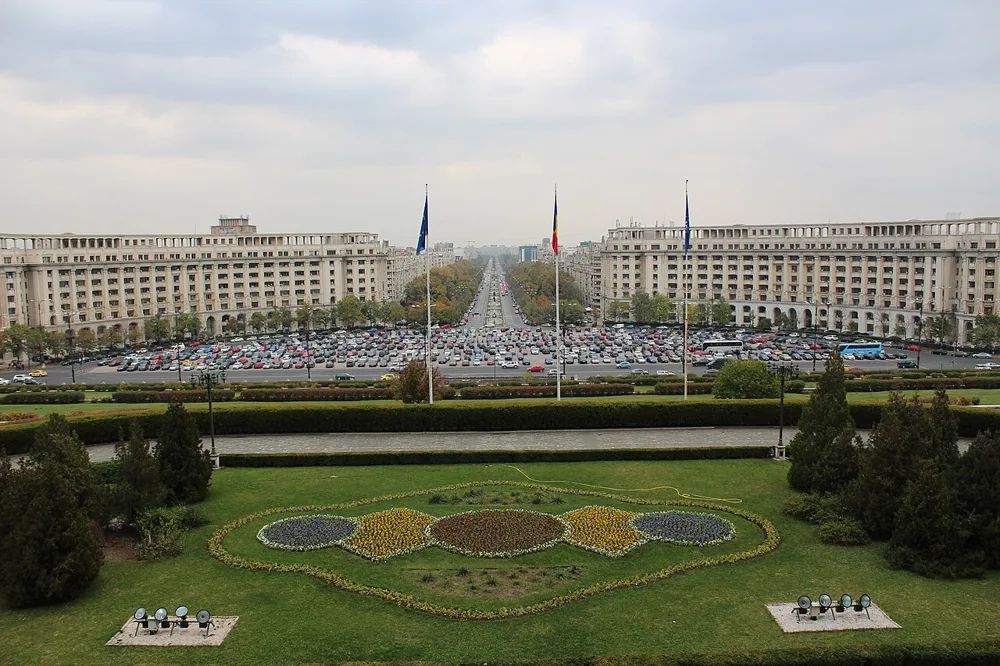

The Palace offers a different kind of visit from the central streets. Its scale and political setting make it a longer interior choice. Read about its real history instead of seeking an unsupported superlative about cost or size. You do not need a record-breaking figure to understand why the building dominates its surroundings.
Plan the correct visitor entrance, ID rules and confirmed time from the attraction's own details. The full Palace guide keeps those decisions together. Use the Chamber of Deputies visitor page for the current conditions.
Limitation: the building's map pin is not enough to find the tour meeting point. Keep the actual entry instructions offline. Do not book a second appointment so close that a slow approach threatens either visit.
7. Compare a contemporary art visit with a park break
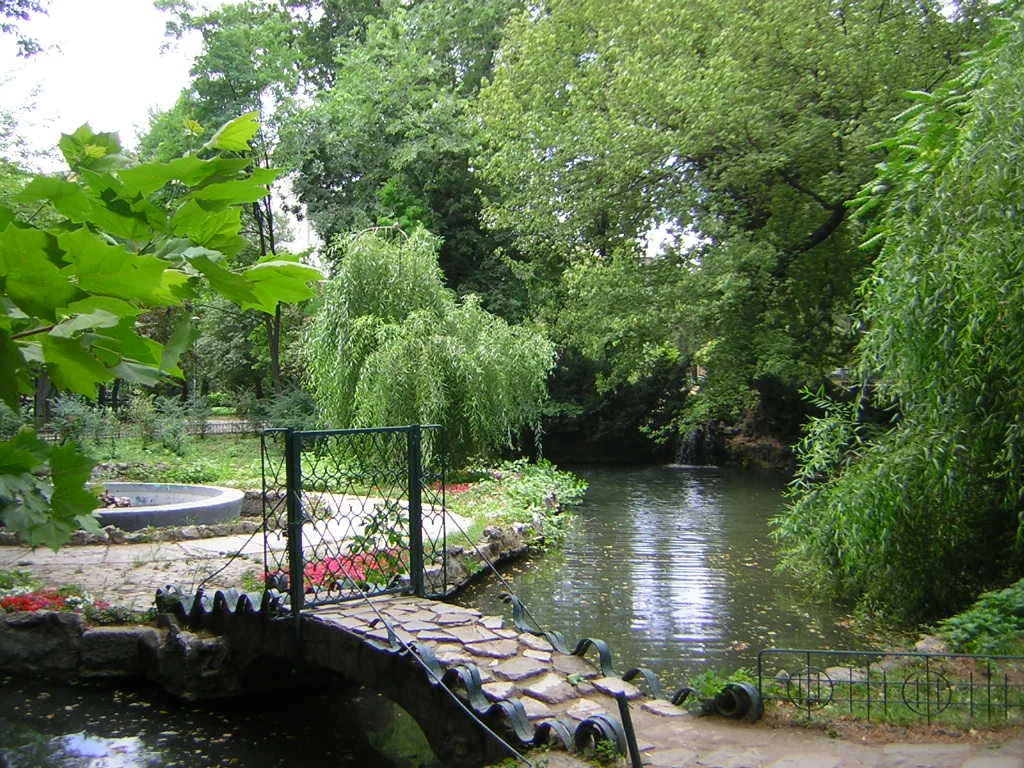

After the Palace, choose an afternoon that suits your remaining energy. Contemporary art gives the day another interior and another way to view the city. A park break gives you time outside. You do not need to do both to make the area worthwhile.
If choosing MNAC, read its current exhibition and entry details. Find its own entrance, instead of assuming that it uses the parliamentary visitor entrance. If choosing a park, set a sensible endpoint near your next transport or meal.
Limitation: a place near the Palace on a broad city map can still involve a long walk around the building or surrounding roads. Compare the actual pedestrian route before committing to a tight connection.
8. Give the Village Museum and northern parks their own outing
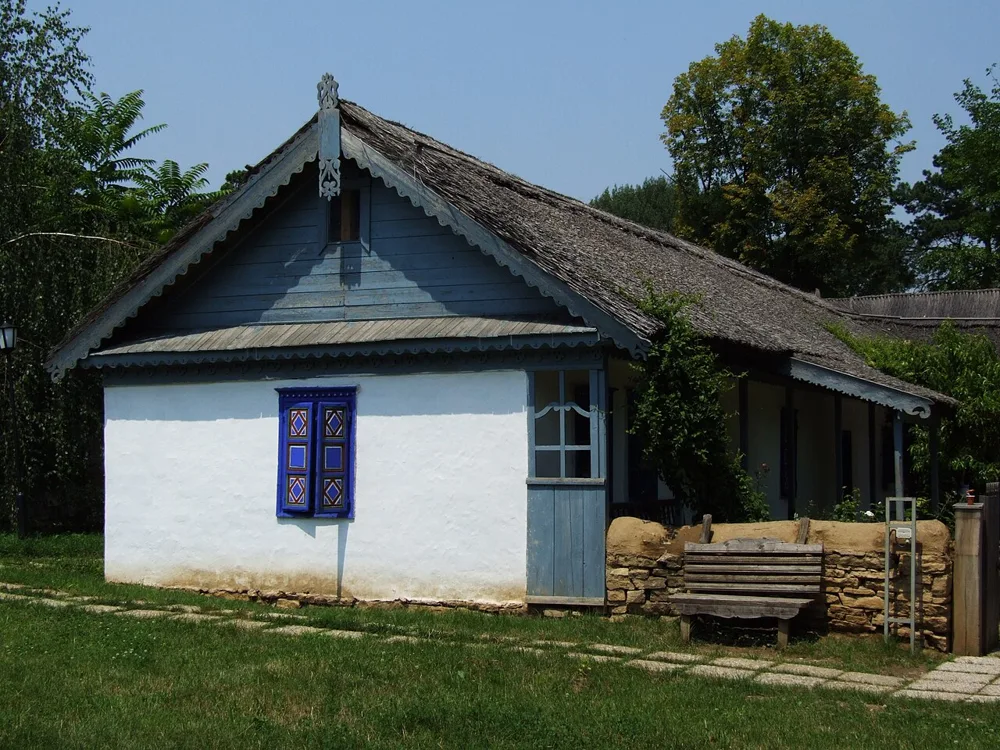

The Dimitrie Gusti National Village Museum makes a useful contrast with the dense centre. Its outdoor setting changes how you pace the visit. Bring clothing for the weather, choose the parts you want to see and allow rests. A northern outing can occupy a large part of a day once transport and a meal are included.
Read the museum's official site for the current programme and access. Combine the visit with park time if the weather suits. You can shorten the walk without treating that as a failed museum day.
Limitation: much of the collection is outdoors. Choose an indoor gallery instead in heavy rain. Locate the entrance before travelling; the nearest transport stop may still leave a walk.
Compare Old Town with other visitor areas
Choose the base by the streets you will use, not just the district name on a booking site. Central areas can suit different priorities even when they are close on a map. Think about the first arrival, the last return after dinner and the outings you expect to repeat.
| Area to compare | Suits | Useful connection | Trade-off to check |
|---|---|---|---|
| Old Town streets | Walking and evenings near restaurants | Historic lanes and the river | Noise at the actual room, plus vehicle access |
| Universitate area | A central base outside the narrowest lanes | Old Town and wider city routes | Large roads and the final crossing to the property |
| Calea Victoriei and Romană | Avenue walks, museums and dining | Central sights with northern options | The exact address may be far from your preferred station |
| Gara de Nord area | A stay built around rail departures | Mainline trains and airport rail | More city travel to the historic sights |
| Northern areas | A stay focused on parks or a chosen venue | The relevant northern outing | Repeated travel for central evenings |
Scroll for more →
These are area choices, not rankings of individual hotels. A well-placed room in one building can suit you better than another room across the same district. Read current terms for the actual room category. The where-to-stay guide develops the comparison.
If you need step-free access, verify the whole chain. Ask about the street entrance, lift and room access, and nearby transport. A property description that says “central” does not answer those questions. Keep the reply with the booking so you can rely on the detail you confirmed.
Orient the city before setting out
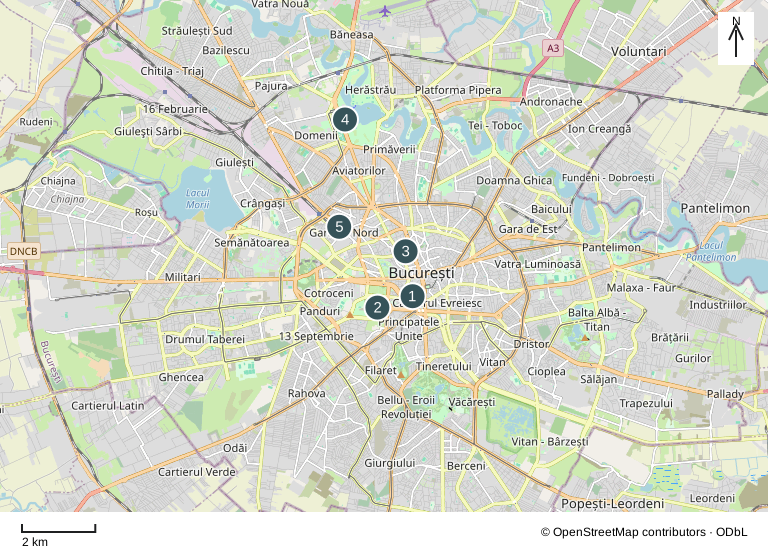
- Old Town near Stavropoleos.
- Palace of the Parliament location; use the confirmed visitor entrance.
- Romanian Athenaeum.
- Village Museum area.
- Gara de Nord.
North and scale are shown on the map.
Treat the river, Calea Victoriei and the principal transport stations as reference points. Old Town lies by the river, Calea Victoriei leads into a broader central route, and the northern museum outing needs its own travel plan. This is enough to start grouping choices without memorising every street.
Use a current street map for the actual walking route. The Metrorex map is useful for line connections and interchanges. It is a transport diagram.
So do not use its spacing to estimate walking time between attractions.
Save an entrance, not just an attraction name. This matters at the Palace, large museums and parks. A map route to the centre of a site may finish at a fence or a service gate. Check the official venue instructions when an entry has a fixed time.
For a self-guided day, choose a start, one main stop and a finish near food or transport. Add optional sights between them. That creates a route you can shorten if you need a rest. It is more useful than a loop whose only purpose is to collect every pin.
Food, arrival and getting around
Give meals a place in the route. Old Town is one dining area. It does not need to supply every lunch and dinner. Compare the menu with the kind of meal you want.
Then check the actual venue's location and booking terms.
The Bucharest restaurant guide helps you choose by area and occasion.
Caru' cu Bere is at Strada Stavropoleos 5, beside the Old Town walking route.
For Romanian dishes, start with the food guide. It explains what to ask about instead of treating a dish name as a fixed recipe. If allergies or dietary restrictions affect the meal, confirm ingredients with the kitchen. A general food guide cannot establish how a chosen restaurant prepares its version.
For arrival, confirm whether your flight uses Henri Coandă or Băneasa. The airport train's city station and a bus's city stop may still be far from your entrance with bags. Use the airport-to-Old-Town comparison for the complete chain. Do not judge the route only by the airport leg.
For city trips, use STB for surface routes and Metrorex for the metro. Check the current ticket and validation conditions for the mode you use. A transport ticket should cover the actual service, instead of a similarly named mode in another city.
With a booked car, save the pickup point and confirm the final address. Where a street has vehicle restrictions, ask about the nearest stopping point. This matters for luggage and for visitors who cannot walk far. A door-to-door label is only useful when the provider can reach the door you need.
A one-day choice and a longer capital stay
For one full day, choose either a street-and-museum route or a Palace-focused day. A street route can join Old Town, Stavropoleos and part of Calea Victoriei with lunch and one collection. A Palace day can pair the confirmed visit with a nearby afternoon. Trying to add the northern outing makes either version more rushed.
If you have several days, separate those choices. The three-day Bucharest plan gives Old Town, the Palace and a northern outing room to work. Swap the order for actual opening days. Keep one main appointment per day so delays do not affect every later stop.
For a day outside the city, compare the day-trip routes before deciding. Sinaia, Brașov and Constanța answer different interests. An excursion replaces a city day. It does not fit into time already committed to several museums and the Palace.
If you plan to spend several nights in Transylvania, it may make more sense to move there than to return to Bucharest after a long castle day. Compare the capital's role in the national itinerary. The best route for the whole holiday can differ from the most convenient excursion from one hotel.
Accommodation and practical limits
Choose accommodation once you have an outline of your days. A central address can reduce repeated travel if it fits the places you chose. Compare the nearest useful station and final walk. An early rail departure may favour staying near Gara de Nord, at the cost of more travel for sightseeing.
For noise, look beyond a broad district description. Ask about the room's side of the building, windows and nearby late-night venues. A quiet room in a busy area and a street-facing room can be different stays. Flexible cancellation may matter more than a small difference in the headline rate.
For current visitor precautions, read FCDO safety and security advice. Keep control of bags in crowds, use a confirmed transport plan and plan how you will get back after an evening out. No city guide can guarantee a chosen street or service.
Allow rest and weather changes to alter the day. Museum floors, road crossings and station stairs all add effort. A short list of chosen places is easier to adjust than a tightly timed checklist. Keep the booking you most care about and move the casual walk when you need to.
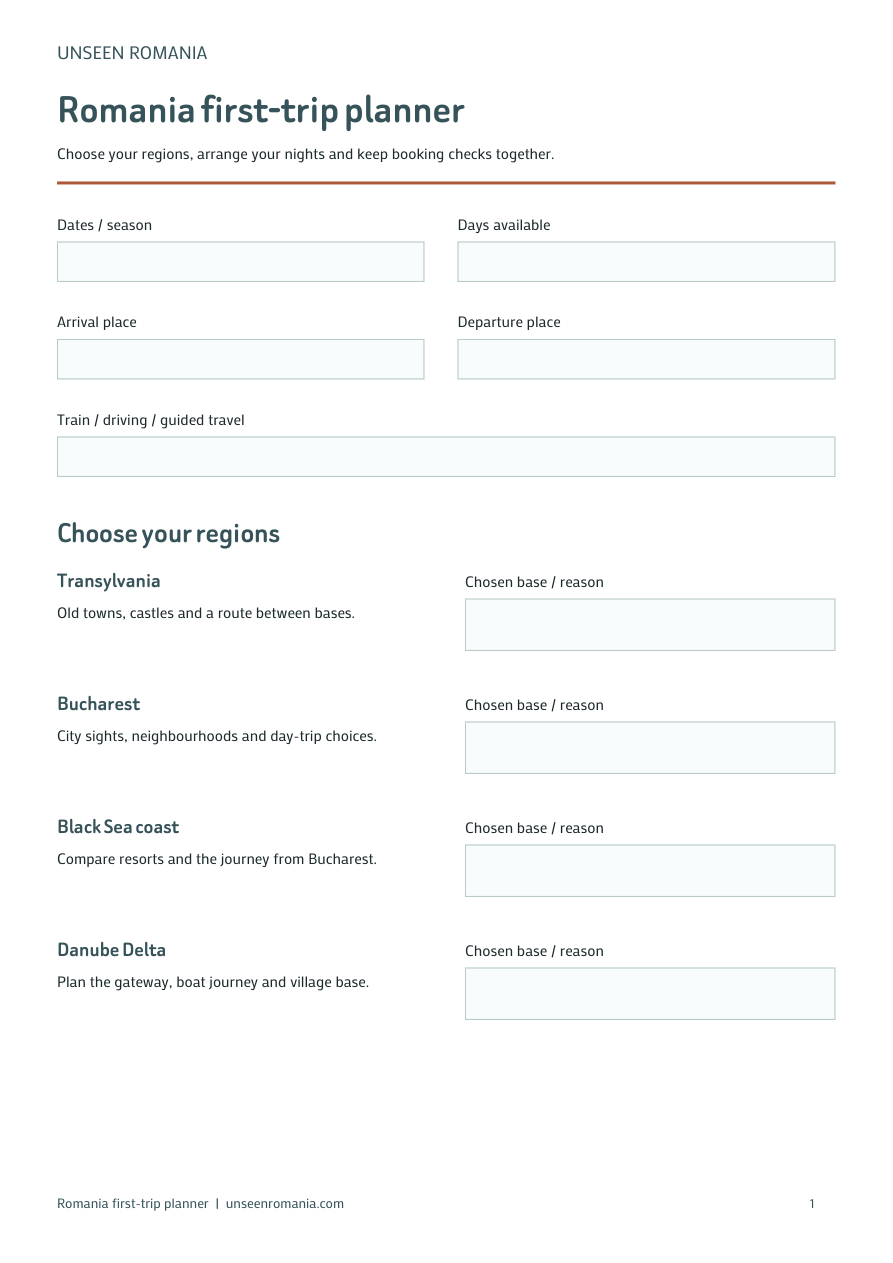
Put your first Romania trip on paper
Choose regions, line up overnight stops and keep your booking checks in one fillable, printable planner.
Choose an indoor visit that fits your interests
Compare the question you want a museum to answer. An art collection, an outdoor village museum and a political-history interior give you different kinds of context. Read the current exhibition description before deciding. A famous building can be worth seeing outside even when its collection is not the one you want to spend time with.
If travelling with someone whose interests differ, agree on one main interior and leave another period open. You can choose a shorter collection visit together or make separate choices where that is useful. The day does not need to become a compromise in which neither person has enough time at the place they wanted.
For a performance, select the actual event and keep its start time clear. A concert hall's sightseeing plans do not establish access for a performance, and the reverse is also true. Read the venue instructions, allow for arrival and choose dinner accordingly. That can give the capital stay a different evening from another restaurant-and-walk plan.
Check bags and access before leaving the stay. A museum can have restrictions that affect what you carry, and a large collection may involve more standing than expected. Keep a rest nearby and choose an exit that fits the next part of the day. The quality of a visit depends partly on having enough energy to use it.
Questions about things to do in Bucharest
What should I see on a first visit?
Start with a connected Old Town and Calea Victoriei walk. Then choose a longer interior that interests you. That might be the Palace or an art collection. Add a northern museum or park when you have another day.
Keep the route realistic by allowing for meals, entrances and the final walk from transport.
How many days should I allow?
Choose by your interests and the usable time between flights. Several full days let you separate central walks, major interiors and a northern outing. A single day calls for a smaller choice. Count arrival and departure carefully.
Then use the three-day plan as a guide to pace instead of a list you must complete.
Is Old Town the best base?
It suits visitors who want restaurants and historic streets close by. Noise and vehicle access can be drawbacks at chosen addresses. Compare it with Universitate and the Calea Victoriei area before choosing. Read the actual room conditions and the last walk from transport; a district name does not settle the quality of a stay.
Can I see Transylvania from Bucharest?
You can compare exact excursions to Sinaia, Brașov or castles, but a day outing is a first look. Several towns fit better into a stay in the region. Check both directions of travel and each attraction's current entry plans. A tour title containing several places does not prove generous time or interior admission at every stop.
For the next region, compare Transylvania, the Black Sea coast and the Danube Delta. Choose the experience first, then check the transfer from the capital.
Verdict on a first capital visit
Choose things to do in Bucharest around connected areas and a main interest. Walk the centre, plan the Palace if you want its interior, and give the northern outing a separate day. Pick a base that fits those routes. Then leave enough room between bookings for the city itself, instead of only its landmark entrances.