
Danube Delta
Danube Delta Birds: Plan a Responsible Birdwatching Visit
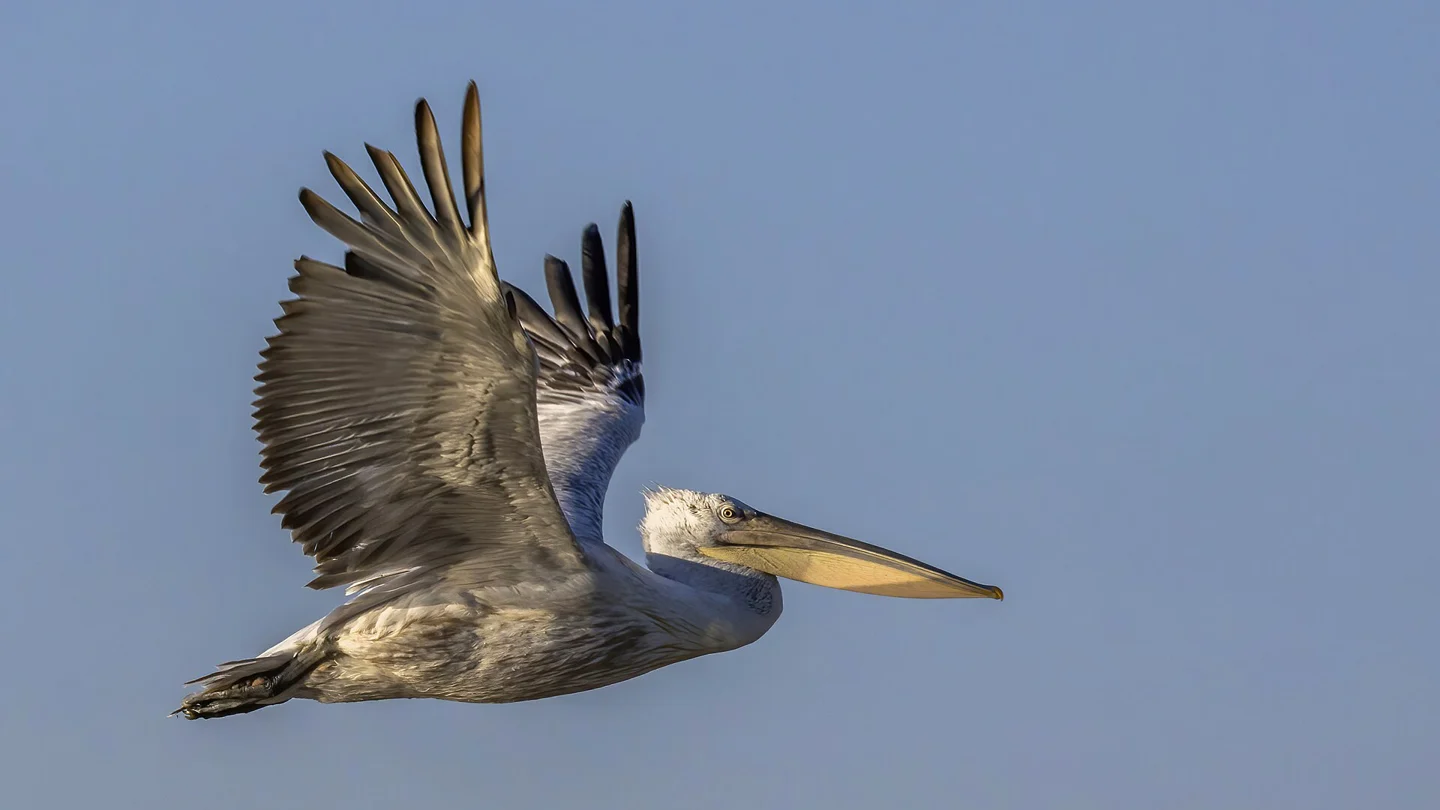
The short answer
Book a birding-focused outing if identification and patient watching are your main aims. A general boat tour can provide sightings. But it may spend more time travelling or visiting settlements. No species list promises what you will see.
What's covered9
By Unseen Romania · Updated
For Danube Delta birds, choose a trip built around habitats and time to watch. Avoid the longest sightseeing circuit. Tell the guide which birds interest you, ask what is realistic in the season. Keep sightings as possibilities. The boat's pace and stopping time matter as much as the route name.
Choose the purpose and season of a birding visit
Start with the birdwatching you enjoy. Beginners may want help identifying broad groups; experienced birders may prefer time in one habitat. Photographers may need longer pauses and a steady position. Choose the boat and route around that aim.
Ask what is realistic on your travel dates. Birds move, water levels change and weather affects observation. A guide can discuss likely habitats without guaranteeing a particular sighting.
Do not turn a breeding-season interest into a request to approach nests. A responsible outing uses permitted routes and watching distances. If a route changes to avoid disturbance, that is part of the visit. It is not a promise to reproduce a listing photo.
Leave enough time at the base to reach the departure without rushing. A very early outing can be good for some purposes. But it needs a workable lodging and transport chain. Agree meals and the return as well as the time you will meet.
Species and habitats from named conservation sources
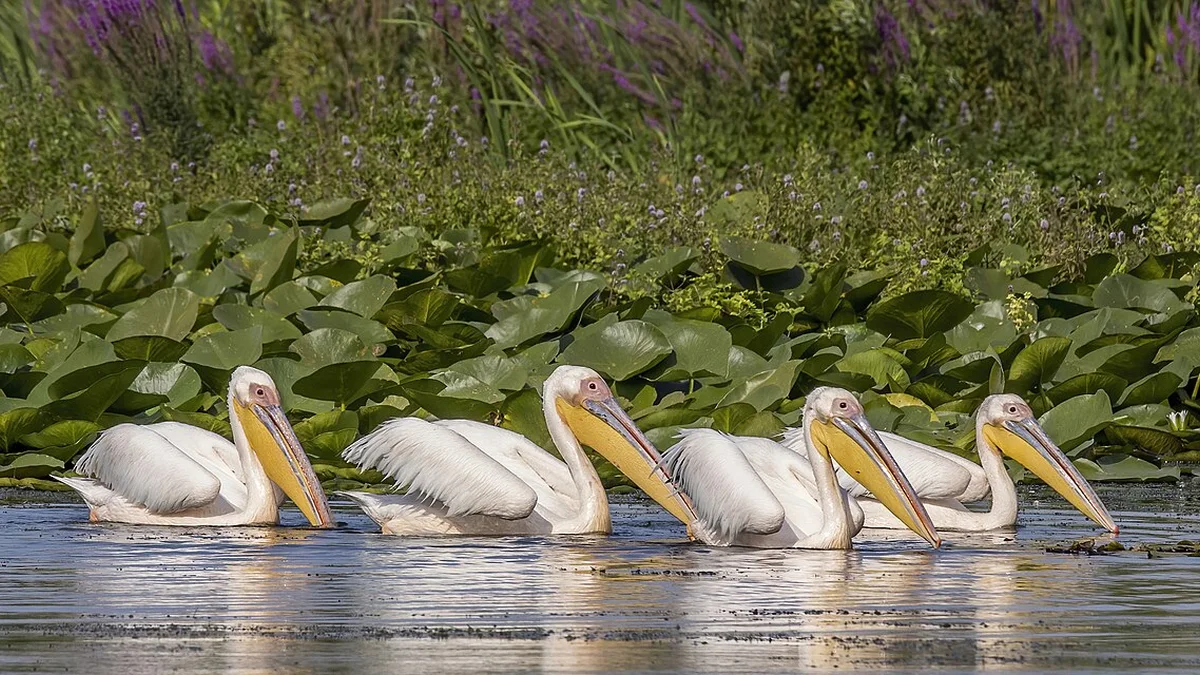
UNESCO's Delta description explains the area's value as a bird habitat. Use it for the protected landscape context, not as a prediction of the birds on one departure.
Keep a manageable first-visit list. Pelicans, cormorants, herons and egrets are good groups to discuss with a guide. Ask which exact species and habitats fit your date. Avoid assuming that two birds with a similar silhouette are the same species.
| Observation interest | What to ask the guide | Practical limit |
|---|---|---|
| Pelicans over open water | Which species and feeding areas are relevant now? | Birds may be distant or absent on the route |
| Cormorants | How will the guide distinguish the species? | Fast views can prevent a firm identification |
| Herons and egrets | Which wetland edges can be observed without disturbance? | Vegetation and access affect views |
| Reedbed and smaller birds | Does the outing allow quiet observation time? | A fast general cruise may not suit the aim |
Scroll for more →
Treat that table as a set of questions, not a checklist of promised sightings. The guide's answer should connect the bird to the habitat and season. It should not promise each group in one outing.
For a species record, note the place, date and features you saw. If the view was too brief, keep the identification broad. A good birding day does not require forcing each distant bird into a named species.
Seasonal presence with limits
Migration and breeding change the trip through the year. A seasonal pattern is not a daily attendance list. Do not assume that a bird recorded in the region will be visible from the chosen channel your boat can use.
Ask the company what the proposed route is designed to show on your dates. If your main aim is an exact species, say so before booking. That gives the company a chance to explain whether the aim is realistic, whether another base helps, or whether a general outing would be a poor match.
Use ANM for weather forecasts and warnings. For a dawn departure, arrange how to reach the quay and ask what happens if weather shortens or cancels the trip.
For a mixed-interest group, agree the pace before paying. Some travellers enjoy long quiet pauses. Others want a broader landscape outing. A shorter birding session paired with time in town may suit the group better than asking one full-day product to satisfy incompatible aims.
Gateway and departure choices
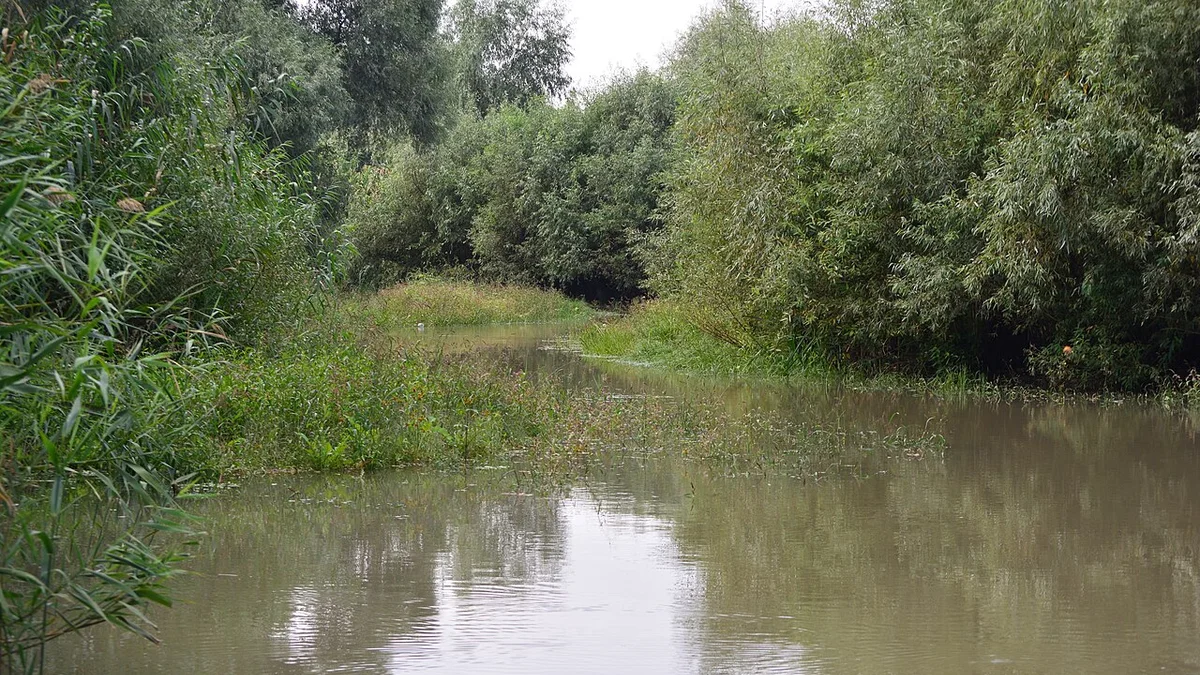
Choose the base in relation to the outing. A Tulcea departure can simplify road arrival. A water-access base may reduce the time spent reaching some local watching areas. But it adds the passenger trip and luggage details.
Navrom Delta provides passenger connections, including Tulcea–Sulina. That trip can get you to a base. It is not a birding tour with planned identification stops.
In Sulina, locate the excursion's launch point relative to your room. It may differ from the passenger landing. Agree on a precise meeting place rather than expecting collection anywhere along the waterfront.
At a village guesthouse, establish whether excursions are private or shared. If other guests want sightseeing rather than birding, the pace may differ from yours. Agree on the guide's language and birding focus before booking.
Compare relevant guided outing formats
Bunica Maria publishes a multi-day birdwatching programme. Compare a stay built around repeated outings with a single day from Tulcea.
A sightseeing cruise may combine village stops and scenery with incidental wildlife. It suits a broad introduction but may leave less time for identification than a specialist birding trip.
Discover Danube Delta's shared birding day runs from Port Tulcea Aval at sunrise towards Mila 23. Its 2027 programme allows 8–10 hours, with an English-speaking birding guide in an open boat and a maximum of eight guests. The published price is €90 per person; lunch is optional. This is a shared birding day, not a dedicated photography tour.
Ask about guide language, boat cover, seating, boarding and the time available to stop. If you use a long lens, ask about space and spray protection. If mobility is limited, obtain details of the exact quay and craft. Avoid relying on an easy label.
The Delta tours comparison puts these formats beside broader outings. Choose the scope that matches your interest. Avoid buying a broad tour and hoping the day can be redesigned after boarding.
Reserve rules and responsible observation
The ARBDD permit service separates visitor, boat and activity permits. Ask which the operator arranges and which you need to obtain. The boat's operating permission does not replace a passenger's personal visitor permit.
Keep birds' space intact. Do not ask for nest approaches, feeding or a detour into a restricted area. Stay with the permitted route and the guide's instructions when landing. A distant view is preferable to turning an outing into a disturbance.
Bring optics you can use with ease. Practise focusing binoculars before the boat leaves so that the first sighting is not spent learning the controls. Keep kit ready without blocking another passenger's view or movement.
Record what you observed without overstating it. A photo can help later identification. But it should not encourage a closer approach. If the guide is uncertain, keep that uncertainty in your own list. Avoid treating each possible sighting as confirmed.
Verdict
Plan for Danube Delta birds by choosing a purpose, habitat and fitting guide. Protect time to watch and accept that sightings vary. A shorter, well-matched outing can be more rewarding than a long circuit whose main aim is moving between stops.
Frequently asked questions
Will a standard boat tour identify birds?
It may include wildlife commentary. But that depends on the exact guide and scope. Ask before booking. A sightseeing route can spend much of the day travelling or visiting settlements. If identification and quiet watching lead your plans, choose an outing explicitly designed around those aims.
Can a guide promise a particular pelican species?
Treat any species as a target, not a promise. The right habitat and season can improve the fit of the plan. But wildlife moves and views vary. Ask what is realistic for your dates and keep a broad identification when the distance or view does not support certainty.
Is the passenger boat a birdwatching excursion?
No. Navrom Delta connects settlements. It can take you to your base, but it does not provide the observation stops of a dedicated birding excursion. Arrange arrival transport and the birdwatching activity separately.
Do I need to check permits if the tour includes a fee?
Ask what that inclusion covers. The official permit service separates entry from other categories. Get the company's answer before departure and keep the relevant record. A broad reserve-fee label should not be assumed to cover each activity, landing or personal access obligation on the trip.