
Plan your trip
Romania Currency and Costs: Cash, Cards and a Trip Budget
What's covered10
- Romania currency and paying day to day
- Compare cash, cards and ATM costs
- A dated daily food budget in Bucharest
- Bucharest local-transport costs
- Cash or card on the route
- Read a dated BNR reference-rate example
- Build the budget from real trip components
- Compare two versions of the same holiday
- Questions about Romania currency and costs
- Verdict on a useful trip budget
By Unseen Romania · Updated
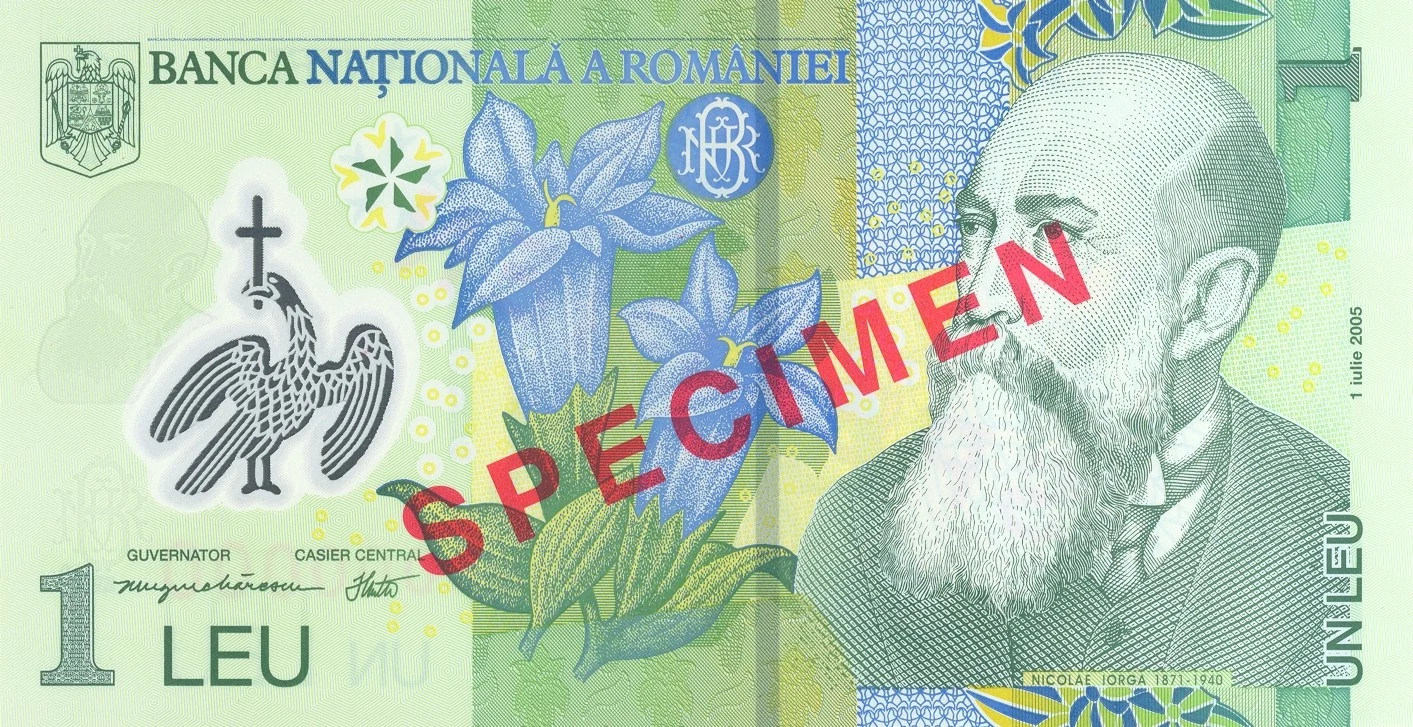
Romania's currency is the leu, plural lei, with the code RON. Use lei for local costs. A dated Bucharest food example below comes to about 143–239 lei per person per day for three meals. Add accommodation, transport and admission; it is a menu-based example, not an all-inclusive national average.
Romania currency and paying day to day
Read the currency on a price and on the final payment screen. RON and lei refer to Romanian money, while a euro or home-currency display may be a conversion. A booking can show one currency for browsing and charge another. Check the charge currency before comparing totals.
The National Bank of Romania identifies the currency and publishes reference rates. Your bank, merchant or exchange provider determines the rate and fees applied to a payment.
Compare cash, cards and ATM costs
Compare your card issuer's foreign-transaction fees for purchases and withdrawals separately.
For an ATM withdrawal, read the machine's charge and conversion choice before confirming. Your own bank can add another fee. The machine's offer is only one part of the cost. If the terms do not suit, cancel before completing the withdrawal and compare another option.
If a terminal offers home-currency conversion, compare its total with your issuer's terms.
For cash exchange, compare the amount of lei you will receive after all fees. A favourable-looking headline rate may have a condition or commission. Ask for the final amount before handing over money. Keep the receipt and count the notes before leaving the counter.
A dated daily food budget in Bucharest
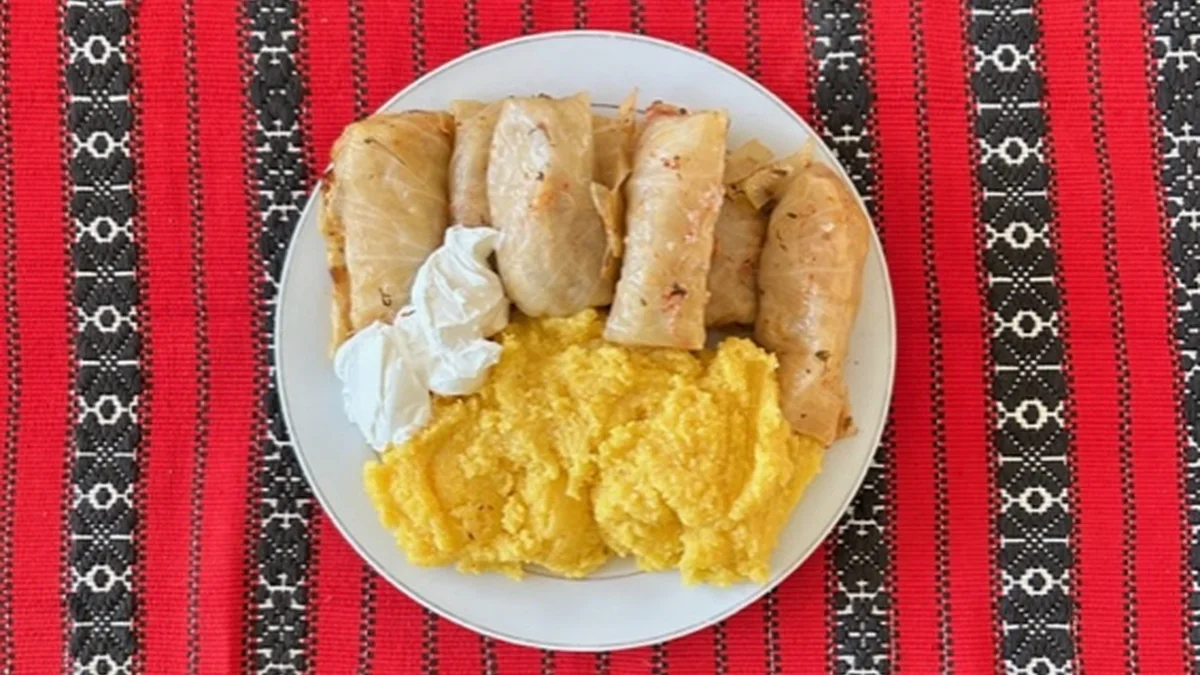
For three meals, a modest order from Caru' cu Bere's published menus totals 142.50 lei: the Nenea Dumitrache breakfast at 44 lei, vegetable cream soup at 35.50 lei for lunch, and turkey schnitzel at 63 lei for dinner. A larger example totals 238.50 lei: the Cațavencu breakfast at 53 lei, bean soup in bread at 49.50 lei and a half pork knuckle with its listed accompaniments at 136 lei. These totals are calculated from the restaurant's breakfast menu and September 2026 food menu.
That gives an example daily food range of about 143–239 lei per person, before extra drinks, tips and additional sides. The breakfast offer includes specified hot drinks and excludes Romanian public holidays. The lower example has a light soup lunch; add more food if it would not suit your appetite. This is a city restaurant example, not a claim about the cheapest way to eat or the average cost across Romania.
| Daily budget line | How to use it |
|---|---|
| Food | About 143–239 lei per person for the three-meal examples above |
| Accommodation | Add the room's full quoted total divided by nights and guests sharing it |
| Local transport | Add tickets or transfers for that day's journeys |
| Admission | Add the official ticket for the route and visitor category you will use |
| Intercity travel | Record it on the transfer day rather than treating every day as a travel day |
Scroll for more →
For two people sharing a room, double the per-person food figure but add the room only once. A hotel rate that includes breakfast changes the food calculation: remove the separate breakfast cost rather than counting it twice. Apply the same approach to a circuit with included meals. The result is a budget for the holiday you intend to take.
Bucharest local-transport costs
STB publishes a 3-lei surface-transport ticket valid for 90 minutes and an 8-lei surface pass valid for 24 hours. A combined surface-and-metro ticket costs 7 lei for 120 minutes; its 24-hour pass costs 18 lei. For a city day, that gives a published pass range of 8–18 lei per person, depending on whether you need the metro. These are Bucharest-Ilfov products, not fares for all Romanian towns.
Using the food examples above, meals plus a 24-hour surface pass total 150.50–246.50 lei per person. With the combined surface-and-metro pass, the total is 160.50–256.50 lei. These are calculated examples from the cited menus and STB tariffs Add your room and admissions; intercity journeys are separate.
Cash or card on the route
Caru' cu Bere's food menu displays Mastercard as a payment option. TFC's fare page says its rail tickets are paid in lei, by cash or card, at ticket offices and onboard, with contactless payment on its trains. These are concrete places to use a card without assuming every guesthouse or boat operator has the same facilities.
For a city day, use a card where accepted and keep some lei for small cash purchases. Before a rural or boat-accessed stay, agree with the provider how the room, meals and transfers are paid. Withdraw the cash those bookings require before leaving a place with banking services. Do not rely on a remote base having an ATM or a working card terminal.
Read a dated BNR reference-rate example
BNR's XML feed retrieved on 6 November carried rates dated 5 November 2026: one US dollar equalled 4.7556 lei, one pound sterling 6.4011 lei, and one euro 5.3398 lei. These are the feed's dated reference figures, not live cash-exchange offers.
The conversion arithmetic is multiplication. At those reference rates, 100 US dollars corresponds to 475.56 lei; 100 pounds corresponds to 640.11 lei; and 100 euros corresponds to 533.98 lei. These are calculated from the same BNR feed, dated 5 November 2026 They exclude every provider fee or rate margin.
To convert a lei cost back to one of these currencies, divide by its dated rate. For other currencies, use the unit stated in the BNR feed. Your payment provider's rate and fees determine the amount charged.
Build the budget from real trip components
Write the route before assigning a daily budget. A stay in Bucharest followed by several rail-connected towns has different costs from a rental car and remote stay. A Delta visit can include separate gateway and boat plans. Put those actual components on the list before averaging anything across days.
| Component | What to record | Common omission |
|---|---|---|
| Places to stay | Full stay total, room occupancy, taxes and payment currency | Breakfast, parking or a different cancellation rate |
| Intercity travel | Each selected-date train, car or transfer total | Local travel at both ends |
| Car hire | Rental total, necessary extras and the security hold separately | Fuel, parking, one-way fees and road charges |
| Attractions | The exact route and ticket category you will use | Optional rooms or guiding not included in a basic entry |
| Boats and outings | Departure point, inclusions and rules for cancelling | Getting to the gateway or an extra night after cancellation |
| Daily spending | Your intended meals, local trips and small purchases | Drinks, separate sides and cash-only items |
Scroll for more →
Use the full quote for your dates and party, noting which costs are per person and which are shared.
Record deposits and card holds separately from final spending. A rental security hold reduces available funds while it is in place. An accommodation deposit may be an advance payment toward the room total. Read each agreement so you neither count that payment twice nor overlook the money needed at arrival.
Compare two versions of the same holiday
To compare an independent trip with a guided circuit, list what each version covers. Start with the same nights and places. Add stay, transport and included visits to the independent version. Then identify meals, local transfers or admissions the circuit leaves out.
For a driving version, include fuel and parking alongside the rental. Record the security deposit as money you need available, separately from the hire cost. Read car-hire conditions before assuming a lower daily rate means a lower total. Necessary extras can change the comparison.
For a rail version, include the local legs and any tours used for places beyond the stations. A rail ticket to Brașov does not include a Bran excursion. Compare the full route you intend to take. Dropping those extra legs makes the public-transport option look cheaper without describing the same trip.
Keep the calculation in lei where possible, with the original charge currency retained for each booking. Convert only when you need a home-currency overview. This avoids repeatedly rounding an amount through different currencies and losing track of what is actually payable.
Questions about Romania currency and costs
Can I budget entirely in euros?
Keep local costs in lei and retain each booking's actual charge currency. A euro display may help with browsing. It does not establish how the provider charges or converts the payment. Use a dated reference rate for comparisons and the actual payment terms for the amount you will pay.
Is the BNR rate the rate my card uses?
Not necessarily. BNR publishes a reference rate, while your card issuer and network apply their own conversion and fee terms. An ATM or merchant can also offer a separate conversion. Compare the actual total before accepting it.
How much cash should I carry?
Check which booked providers require cash and add a useful amount for small purchases or a failed card. Keep the remainder accessible through another method where possible. No fixed cash figure suits every route. A city-only stay and a remote stay with boat payments can have different needs.
What is the best daily budget?
Build it from the holiday you intend to take. Use actual room, travel and entry quotes. Then inspect menus and local transport for daily spending. Separate shared and per-person costs.
A single national average can hide a different room standard, route or meal pattern and give a misleading impression of what your trip will cost.
If the total does not fit, return to the Romania route plan and remove a less important move. That can save more useful time than cutting every meal and rest.
Verdict on a useful trip budget
Use Romania's currency, lei, to total local costs. The example three-meal day costs about 143–239 lei per person, before accommodation, extra drinks, transport and entry. Add your room quote and the day's journeys to make a usable daily budget. Compare conversion after fees and keep accessible funds for a changed connection or extra night.