
Plan your trip
Romanian Food: Dishes, Regional Choices and How to Order
The short answer
Start with ciorbă for soup, sarmale for stuffed rolls or mici for grilled minced meat. Mămăligă is a cornmeal accompaniment, while papanași is a dessert to inspect for dairy and other ingredients. Read the venue's current menu and ask the kitchen about dietary rules. This is an ordering guide; it does not establish what every restaurant puts in a dish.
What's covered8
By Unseen Romania · Updated
Try Romanian food by choosing the kind of meal you want before collecting dish names. A sour soup, cabbage rolls, grilled meat or a vegetable dish can each be a starting point. Add bread, polenta or dessert according to the actual order. Recipes vary.
So ask about ingredients instead of treating a familiar name as a fixed recipe.
Choose a first Romanian meal by style
For a lighter meal, start by reading the soup and vegetable sections. For a longer lunch, compare one main and its included sides before adding starters. For a shared meal, check portions and ingredients with everyone at the table. A large platter is not automatically the easiest choice for different diets.
Think about where a meal will fit between your visits. A restaurant lunch, bakery snack and dinner at your accommodation fit different parts of a travel day. Keep meals near the route where possible so you spend less time crossing the city.
The Romania Tourism food reference introduces dish names. For ingredients and portions, use the restaurant's own menu and the kitchen's answer about the meal you will order.
Romanian food to recognise on a menu
1. Ciorbă: choose the actual soup
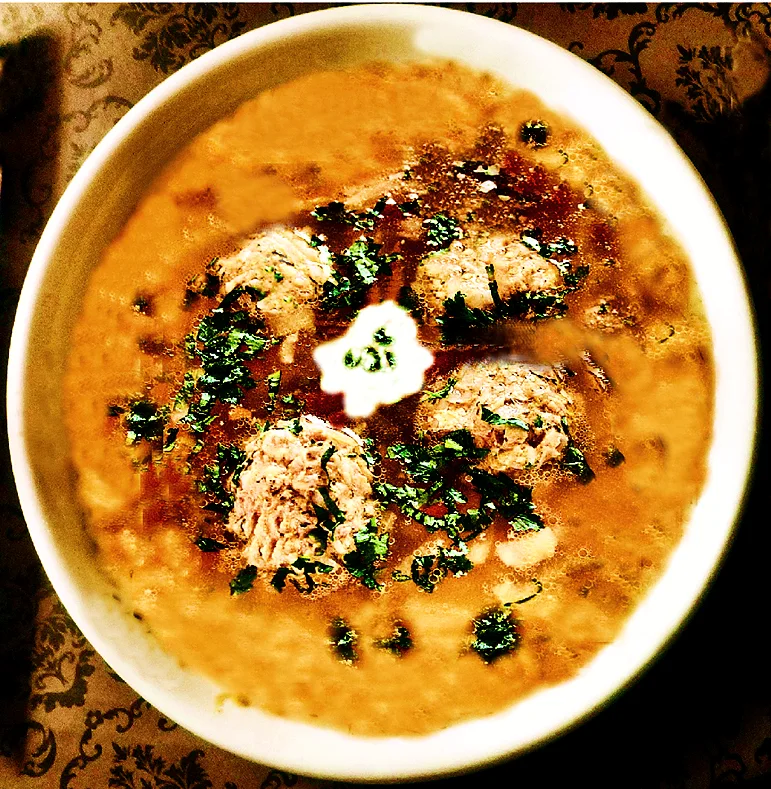
Ciorbă describes a family of soups instead of a single ingredient list. Read the rest of the name to see what kind it is. A vegetable version and a meat version are different orders. Ask about stock and garnishes if you need to avoid an ingredient.
Read whether sour cream, bread or another accompaniment is included. Decide how hungry you are before adding a main. Soup can suit a first meal after travel; use the portion and ingredients to judge whether you want more food.
2. Sarmale: ask what is inside the rolls
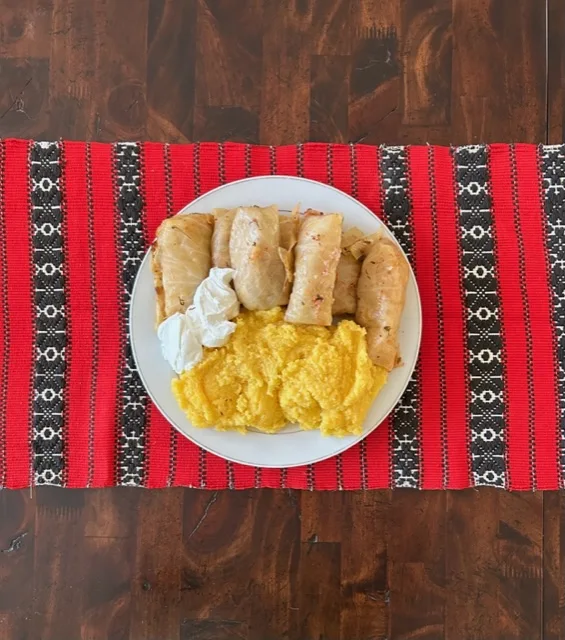
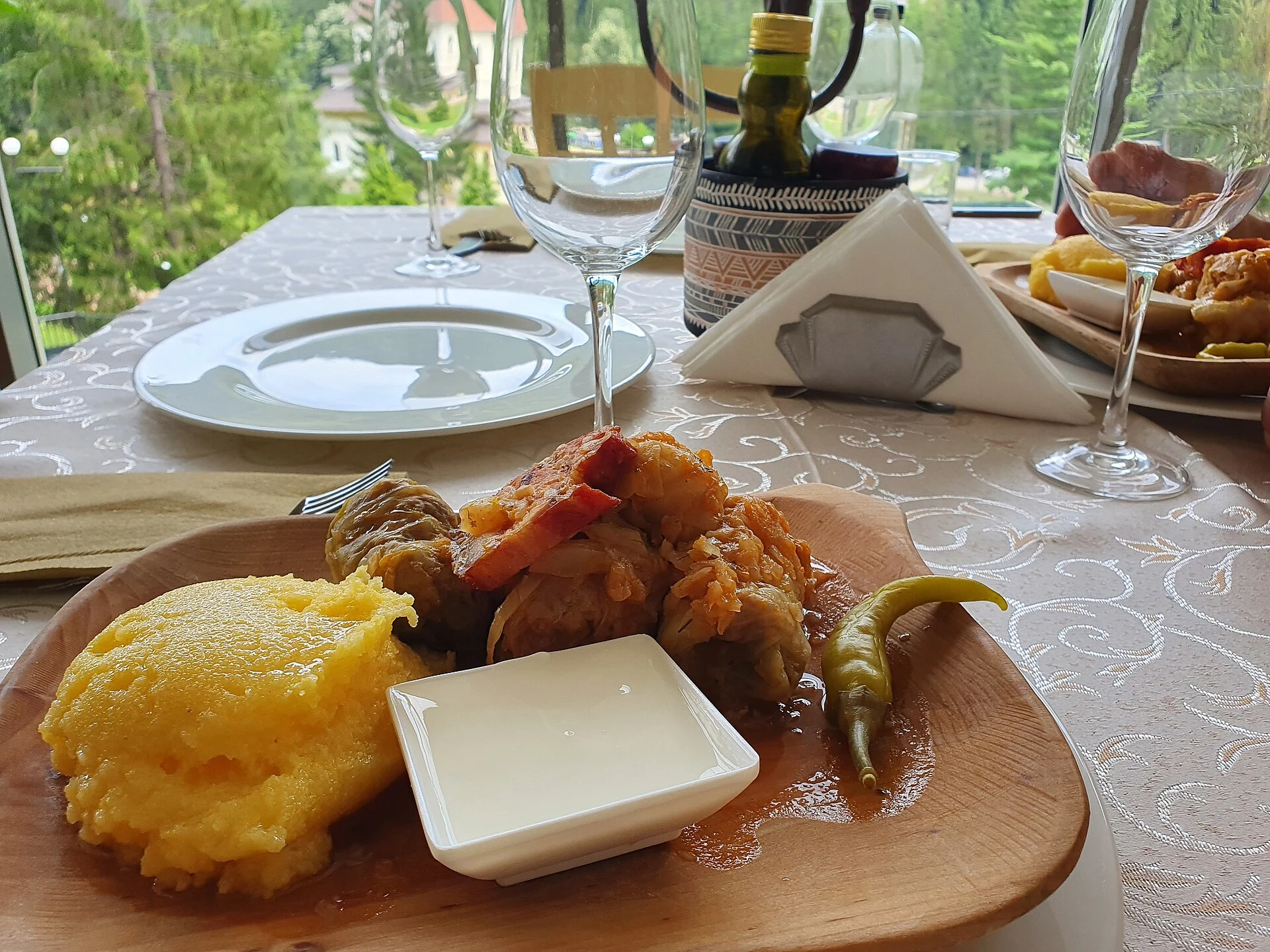
Sarmale are stuffed rolls, commonly associated with cabbage leaves, but you should read the venue's description for the filling and wrapper. Meat versions and meat-free versions are not interchangeable. A restaurant may prepare more than one version, or only one.
Look at the accompaniments as part of the order. Polenta, sour cream or smoked meat may appear with a chosen version. If one matters to your diet, ask whether it is part of the preparation or a separate garnish. Removing a garnish does not settle what is in the filling.
3. Mici or mititei: a grilled meat order
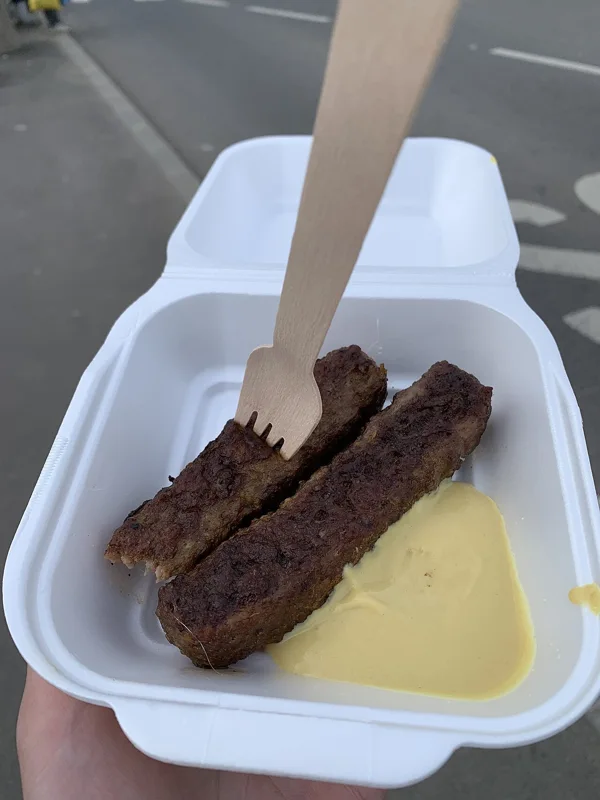


Mici are grilled minced-meat rolls. Check the menu for the meat mixture and serving size. Do not assume that every kitchen uses the same meats or seasoning. Ask what comes with the portion so you can choose bread, mustard or another side deliberately.
Caru' cu Bere discusses mititei on its official food page. That establishes a venue-based menu context, not a claim that its version is the national standard. Compare the actual order with what you want to eat.
4. Mămăligă: understand the complete dish
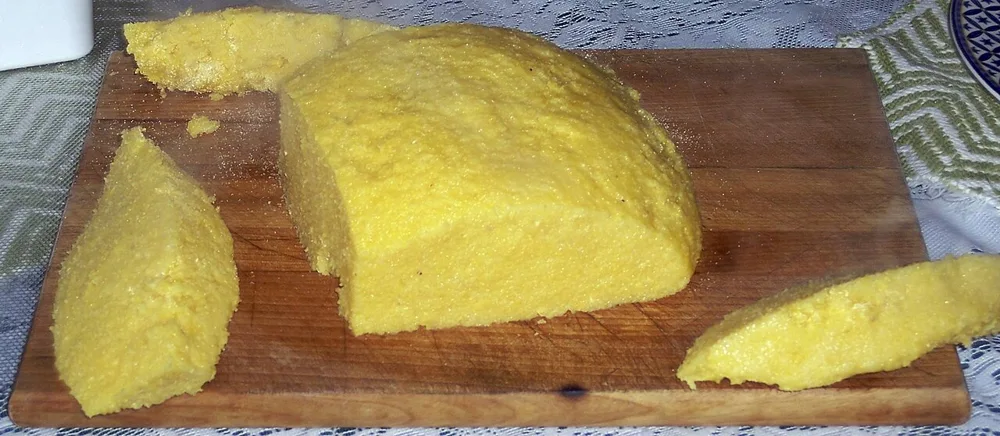

Mămăligă is a cornmeal preparation that may appear as an accompaniment or within a larger dish. Read the whole description. A plate that includes cheese, sour cream, eggs or meat is different from plain polenta. The familiar cornmeal base does not make every version vegan or dairy-free.
If you want it as a side, ask about the portion and what the main already includes. Ordering another accompaniment may be unnecessary. If you choose it as the centre of the meal, check the complete ingredients instead of judging only by the first word on the menu.
5. Fasole and other vegetable dishes
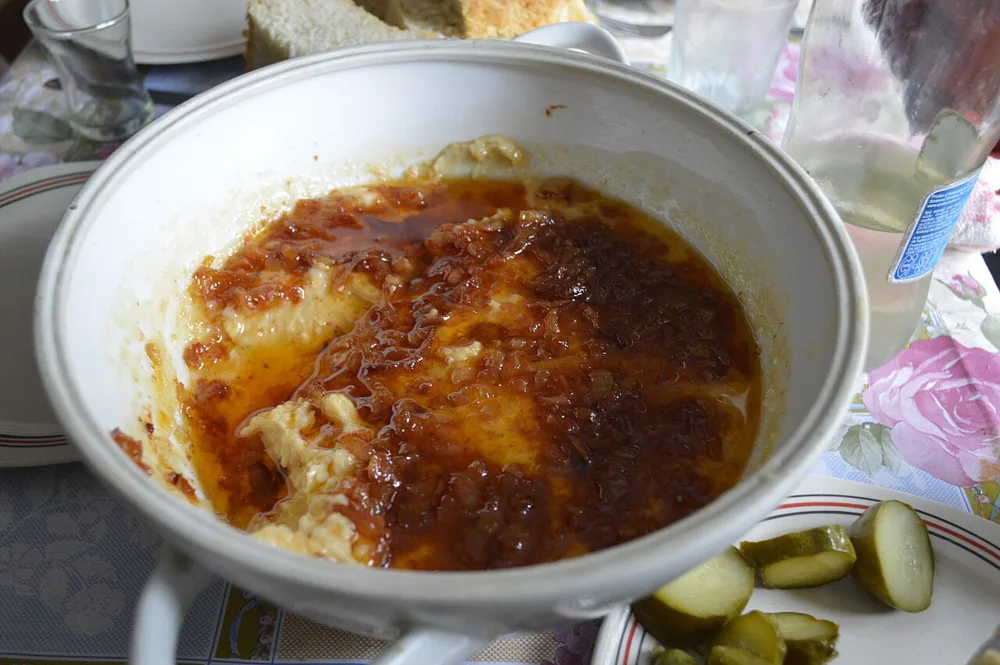

Beans and vegetable preparations can give you another direction beyond grilled meat. Look for the actual description and ask about stock, fat and meat additions. A bean dish may be prepared or served with meat. A photo of the vegetables is not enough to resolve that.
Seasonal menus can offer different choices from a standard menu. Ask what is available that day and whether a substitution changes the preparation. A simple confirmed dish is more useful than a long order built around uncertain changes.
6. Papanași and other desserts
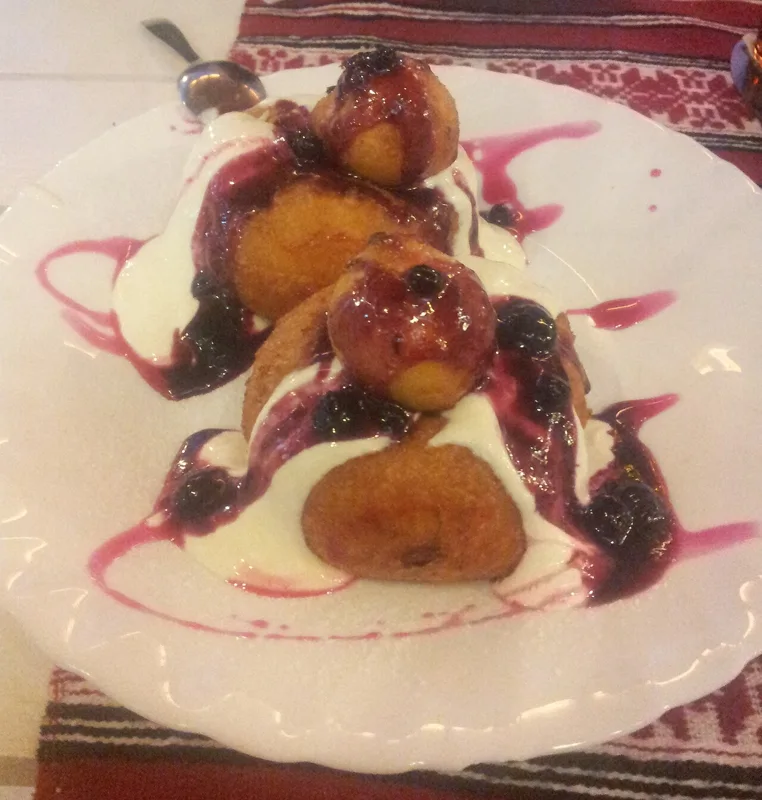

Papanași is a dessert name worth recognising, but read the kitchen's description of its form and toppings. Dairy, flour and eggs can matter for dietary needs. Ask about the complete preparation, including sauces, instead of relying on a short English label.
You do not need to add dessert to an already large meal. Share where the serving and ingredients suit, or leave a sweet stop for another time. A bakery, café and restaurant may provide different kinds of dessert experience. Choose the one that fits the day.
Soups, mains and snacks need different orders
For a restaurant lunch, compare soup and a main with one substantial dish. Read portions before ordering several courses. If you have an appointment afterward, tell the server when you need to leave before choosing a long meal.
For a snack, ask what is inside before buying. A pastry's shape does not identify its filling. Pay particular attention to cheese, nuts and meat if you need to avoid them. State any allergy before ordering, even at a quick counter stop.
For dinner at your accommodation, establish what is included and whether you can choose dishes. A small guesthouse may need notice to prepare a set meal. Agree meal times and dietary requirements before arrival; a dining room does not establish that food is served every evening.
Vegetarian choices and ingredient questions
Tell the kitchen the exact ingredients you avoid. Ask about the stock in soup and the fat used in cooking. For vegan food, add questions about dairy, eggs and other animal ingredients. A dish described as vegetable-based does not answer all of those points.
If cross-contact matters, ask about preparation and shared utensils. An allergen list identifies ingredients but may not explain the kitchen's handling procedures. Let the venue say what it can provide.
Choose another order when the answer is unclear instead of accepting a guess.
Keep a short written description of a strict rule if language may be a barrier. Show it before ordering, and confirm that the person preparing the food has the relevant details. A complicated string of substitutions can be harder to verify than a simpler dish the kitchen already understands.
Read menus and prices in context
Use the restaurant's current menu instead of an old review or event brochure. Check the unit, portion and included sides. A price for a small portion or a weight-based item cannot be compared directly with a complete main. Add the drinks and accompaniments you actually intend to order.
A printed price applies to that venue and menu date. It is not a national price for the dish. Use the money guide to assemble a budget from your choices.
Check the bill against the order before paying. Ask about any item you do not recognise while the menu is available. If paying by card, read the currency and amount on the terminal. Keep the payment choice separate from any decision about a tip.
Explore food along your route
In Bucharest, use the restaurant comparison to choose actual venues by area. Match an Old Town meal with the street walk, or choose a northern meal for a day in that part of the city. You do not need a cross-city transfer to make every meal count.
In Transylvania, compare menus in the towns where you will actually stay. Regional labels can suggest something to ask about, but do not treat every menu as identical. A town-based evening also gives you more flexibility than a meal squeezed into a long day excursion.
On the coast or in the Delta, ask where and how the meal fits your stay or boat outing. A waterside location is not proof of a fish's source or of a chosen catch being available. Read the current menu and let the venue explain the actual dish.
Questions about Romanian food
What should I try first?
Choose a dish that fits your appetite and ingredients. Ciorbă, sarmale and mici give you different starting points, while mămăligă can appear alongside a main or in a dish of its own. Read the full menu description. There is no need to order every well-known name at one meal.
Is Romanian food all meat-based?
You can look for vegetable, bean and other meat-free choices, but verify the recipe. Stock, cooking fat and garnishes can affect suitability. A vegetable name alone does not establish a vegetarian or vegan meal. Ask the kitchen what it can prepare and choose from a clear answer instead of a broad cuisine label.
Are dish names enough for allergy checks?
No. Recipes and preparation differ between kitchens, and a short menu translation may omit relevant details. State the ingredient and ask about cross-contact when necessary. Check sauces and garnishes and the main part of the dish.
If the venue cannot confirm what you need, choose another meal or restaurant.
How much should I budget for a meal?
Use current menus for the places you plan to visit. Compare the complete order, including drinks and any separate sides, instead of a single headline price. A café snack and a long restaurant dinner are different spending choices. Keep fixed bookings separate from daily food spending when building the trip budget.
Give meals a place in the wider Romania travel plan. If choosing a guided circuit, check which meals it includes before adding them again to the budget.
Verdict on a first Romanian meal
Approach Romanian food with a few useful dish names and clear ingredient questions. Order the meal you want, read the current menu and let the kitchen confirm its own recipe. Then try another style on a later day. The result is a more varied trip than treating one large traditional meal as the whole cuisine.