
Transylvania
Things to Do in Sighișoara: Citadel, Food and Time to Allow
We may earn a commission from some links on this page.
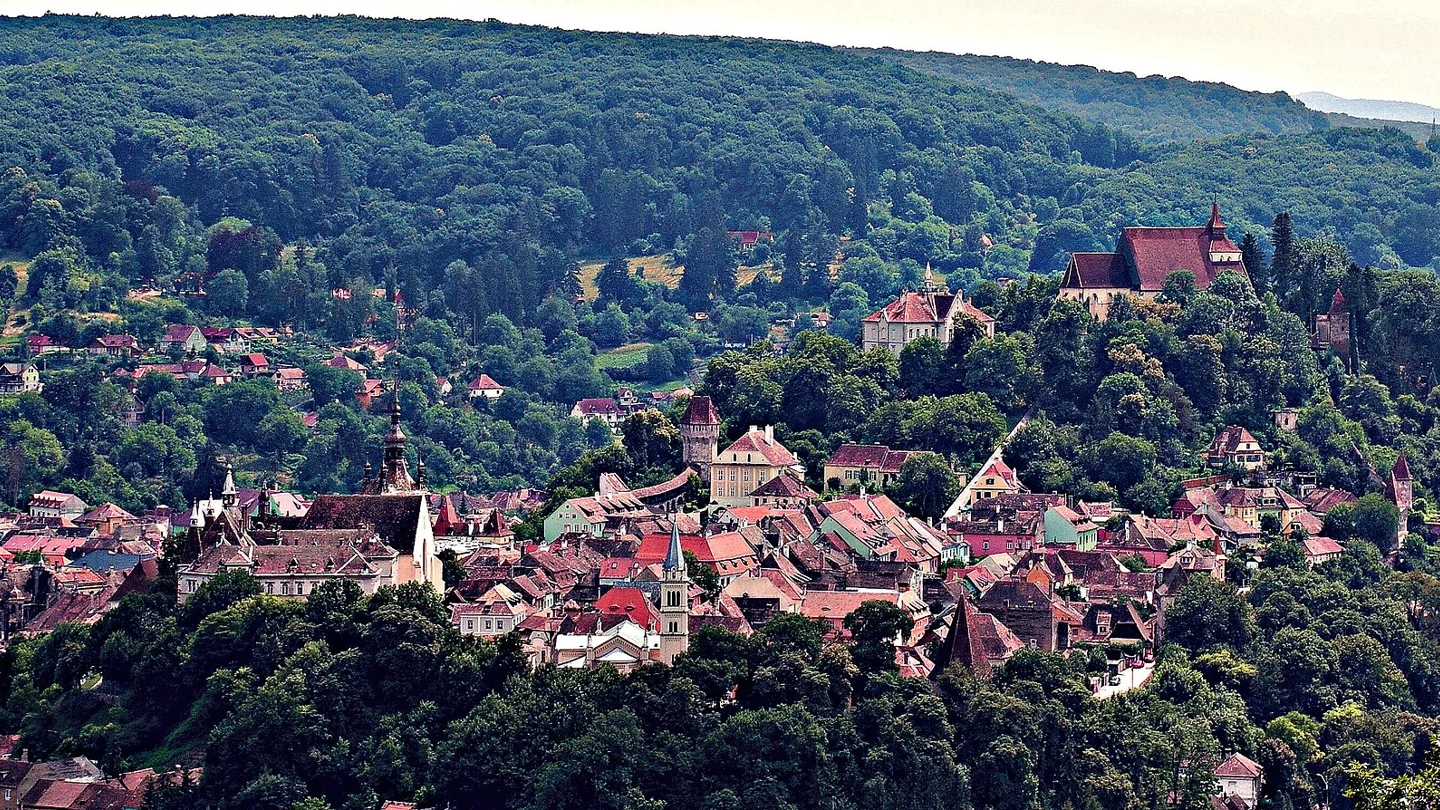
The short answer
Visit Sighișoara for a day with luggage storage arranged, or stay overnight for an evening and morning in the citadel. Plan around slopes and historic surfaces. Choose interiors separately and treat legends as folklore.
What's covered9
By Unseen Romania · Updated
For things to do in Sighisoara, choose a citadel walk first. Then decide whether an overnight stay adds value. Begin near the Clock Tower, explore the main citadel streets and add the covered stair and Church on the Hill if the climb suits you. Plan bags and the station connection before a short stop.
Choose a day visit or overnight stay
A day visit can work when the exact arrival, bag storage and onward connection are clear. It is less good if the time between trains leaves only a rushed climb and return. Count the station leg and bags as part of the stop, not time that somehow disappears.
An overnight stay gives the citadel an evening and another morning. That can suit a slower route through the region. It also lets you split the walk. Avoid completing each slope and interior at once after arrival.
Choose by the room's position. A citadel address may mean carrying luggage uphill; a lower-town address adds a climb to the daily walk. Ask about vehicle access rather than relying on a central label.
The UNESCO entry describes Sighișoara's historic centre and its medieval urban character. Use that for the historic setting. It does not establish that each tower, church or museum is open on your date.
Citadel sights and access
1. Begin near the Clock Tower
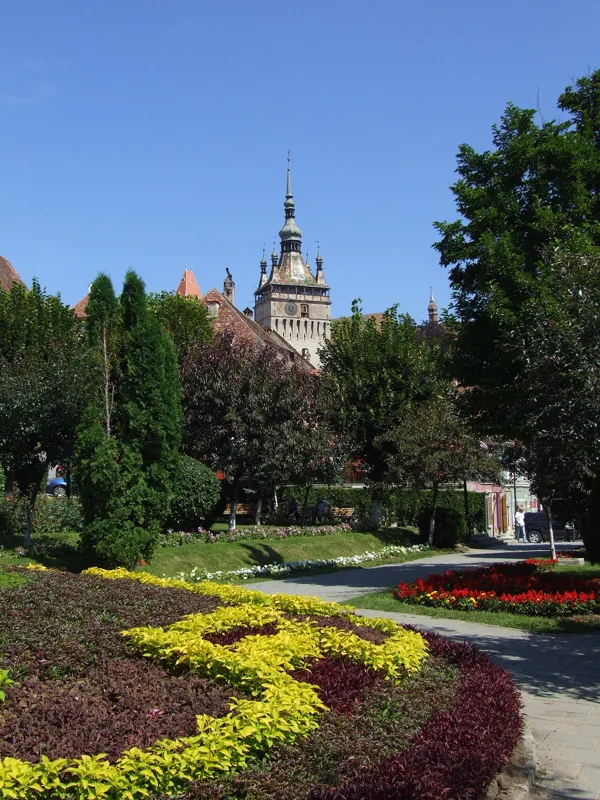

Use the Clock Tower area as a clear anchor for the citadel visit. It helps link the approach from below with the streets inside. Pause to understand that relationship before following a list of smaller sights.
See the Clock Tower from the public route, then decide whether to enter an exhibition or climb. Use the museum's current programme if the interior is central to your day.
If you want a tower view, ask about steps and the route. Do not infer suitability from being able to reach the outside. The climb, interior spaces and final viewpoint can each have their own constraints.
2. Walk the main citadel streets and square
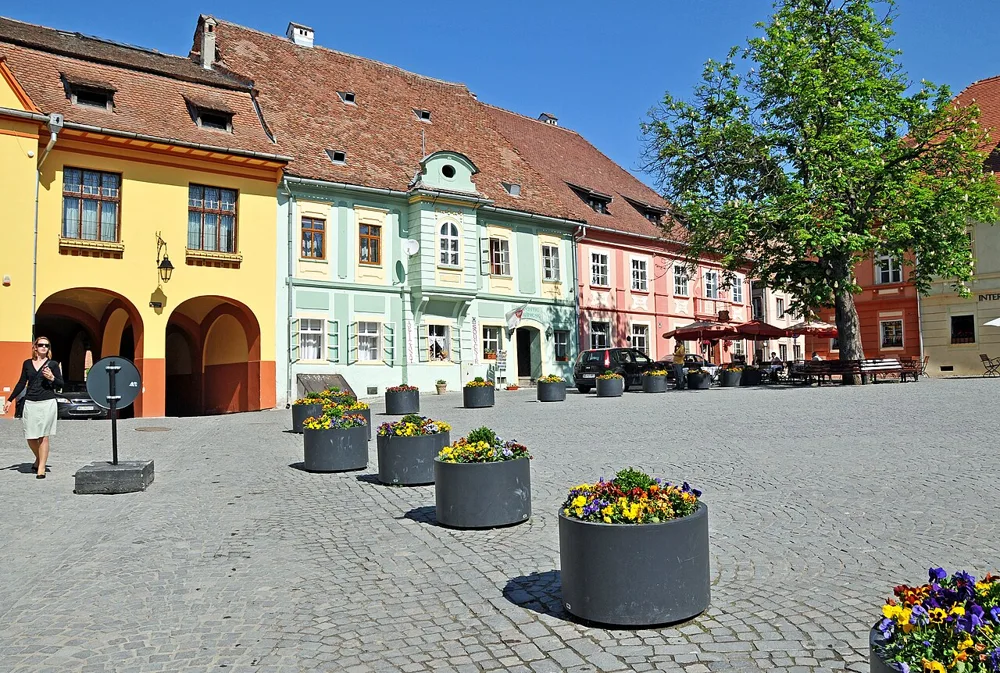

Continue into the citadel's public streets. Notice the relationship between the houses, square and defensive edge. This gives the visit a stronger thread than moving quickly between isolated photo points.
Leave room to look at the setting without entering each building. A historic town is not one ticketed site. Some doors lead to businesses, homes or places whose visitor plans differ from a museum.
If you stop for a meal, check the exact business and menu. Choose a location that fits the route. Avoid taking a long detour because a restaurant appeared on an old list.
3. Examine the defensive setting
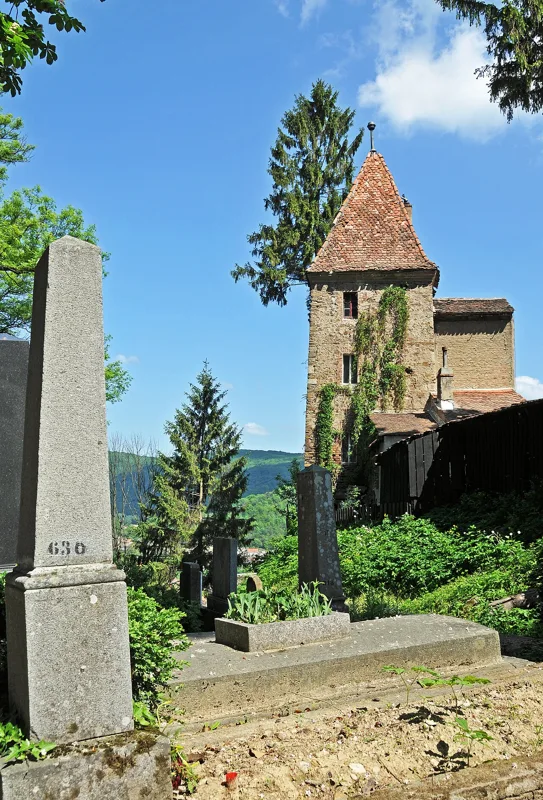

Choose a public section where you can understand the citadel's edge and towers. Keep to open paths and current signs. Do not assume that a tower shown on a map is open inside or that each link between towers is a public walking route.
The scale of the streets and walls helps explain the fortified settlement. You do not need to repeat a precise tower count or a superlative to appreciate it. Use the institution's own context for an exact building's history.
4. Choose the covered stair
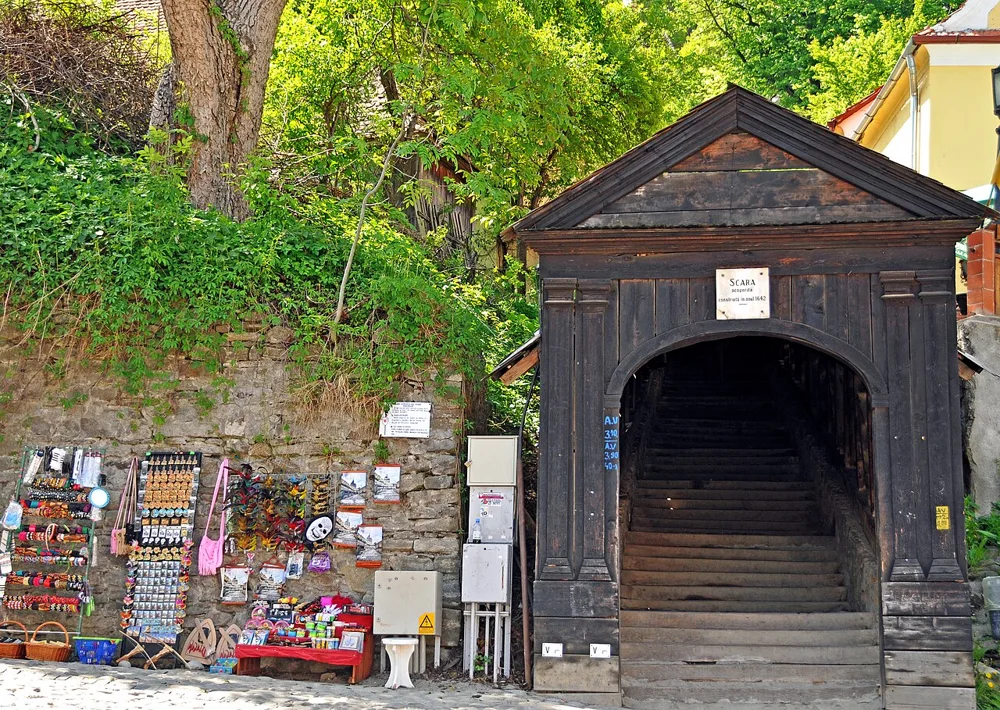

The covered stair leads towards the hill above the citadel. Decide whether the steps suit the group; the short map distance does not show the effort of the climb.
If you need another approach, establish it before starting. A route avoiding steps may still have slopes or uneven surfaces, so a phone's shortest line may not suit the group.
Do not make the stair compulsory for each visitor. A lower-level citadel walk can remain a worthwhile plan. Choose the route that lets the group enjoy the place. Avoid treating a chosen ascent as the test of a complete visit.
5. Consider the Church on the Hill
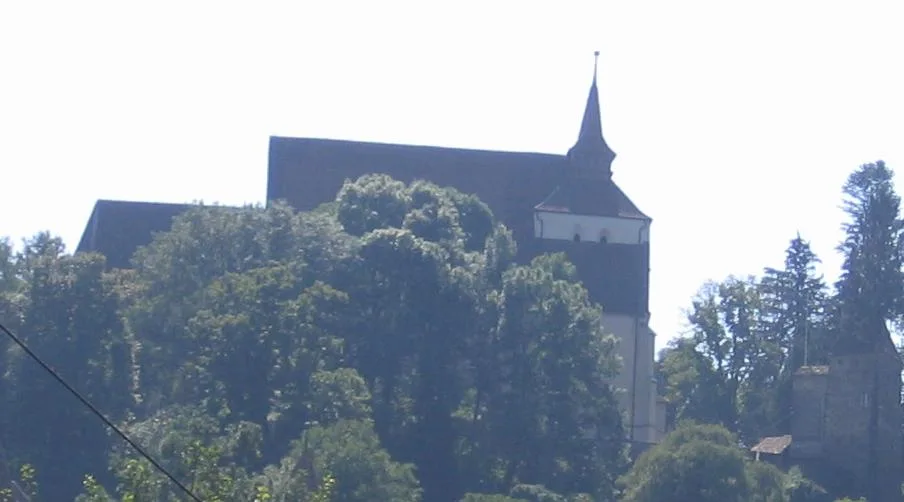

Treat the church as another entry decision. Check the current visitor plan, any worship limits and the route to the entrance. Reaching the hill does not establish interior entry.
If the church is the main interest, confirm visiting hours before climbing. If it is closed, decide whether the hill walk itself is worth the effort for your group.
6. Return with time to pause
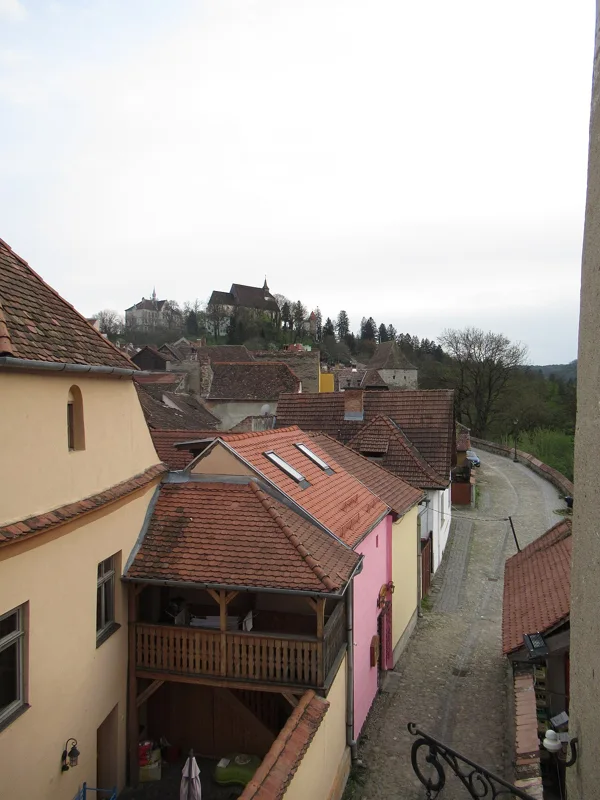

Choose the return route for the group's needs. Descending historic surfaces can be as relevant as climbing them. Leave room for a rest, meal or a final look at the streets. Avoid hurrying directly to collect bags.
If you have an onward train, work backwards from reaching the station. The last sight is not the end of the travel chain. Collecting luggage and getting down from the citadel still take a place in the plan.
Walking map, slopes and practical limits
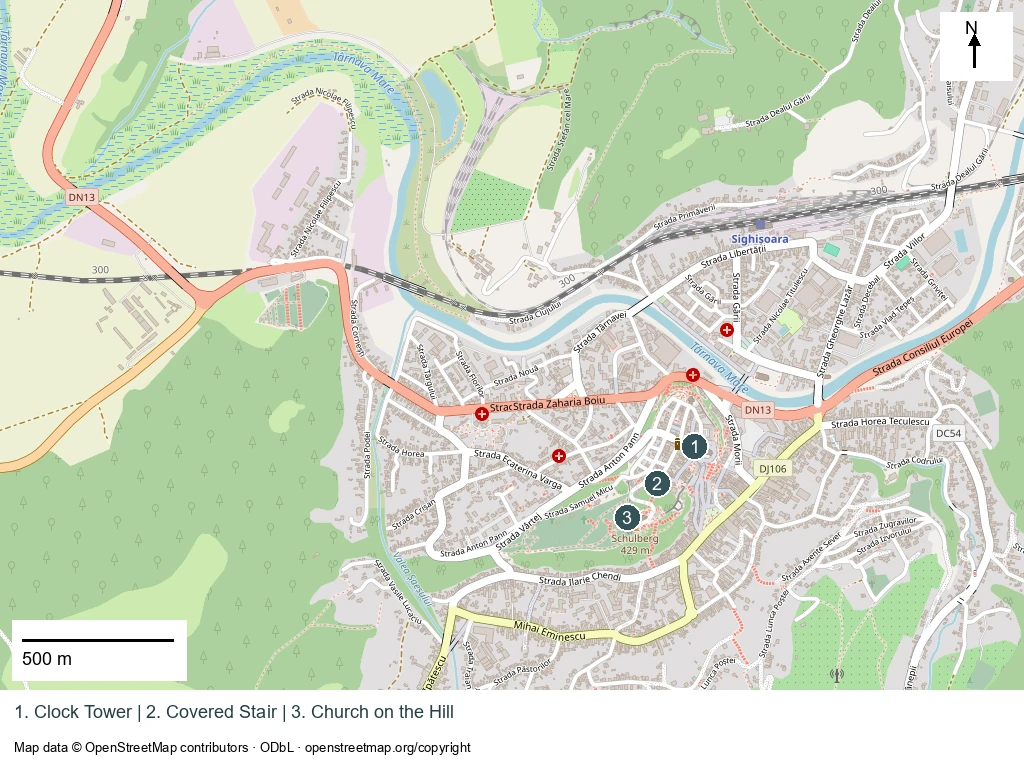
The numbered points locate the Clock Tower, covered stair and Church on the Hill. They show the core relationship, not a measured route or a step-free certification. Use the public signs and the route that is open on the day.
For a compact visit, explore the lower citadel streets from the tower area. Add the hill only when time and walking needs allow. For an overnight stay, divide the route into shorter periods. Avoid repeating the full climb with bags.
Check surfaces and thresholds as well as the map distance. A street can be close to a sight while still involving an awkward approach. If mobility needs matter, ask the exact lodging and site about the route. Avoid relying on a place-wide accessible label.
Ask citadel accommodation about driving, unloading and parking restrictions. Use its arrival instructions rather than following a navigation pin through streets where vehicle access may be limited.
If weather makes the surfaces uncomfortable, shorten the walk or choose an interior whose access is confirmed. Avoid adding a difficult descent simply to complete a list. The plan should fit the conditions and the group.
Food and overnight base choices
| Base | Useful for | What to check | Trade-off |
|---|---|---|---|
| Inside the citadel | Evening and morning in the historic streets | Bags, steps, room access and vehicle rules | Arrival may require more effort |
| Lower town near the citadel approach | A balance of arrival and sightseeing | The daily route uphill | Not the same as a room within the walls |
| Rail-arrival-oriented address | A brief transport-led stop | The actual journey to the walk | Can put the room away from the main visit |
Scroll for more →
Hotel Central Park describes its town-centre position near the citadel and lists a luggage room, lift and on-site dining. Compare the exact room and approach. Avoid assuming that a hotel facility makes the whole citadel route step-free.
The hotel's Josef T. Restaurant is another meal option near the route. Read the current menu and service hours, and discuss dietary requirements with the restaurant.
For another property, apply the same questions. Where do you leave bags? How do you reach the door? What happens before check-in or after checkout? A historic setting can be an advantage for the stay while still needing a more careful arrival.
Compare the actual room category, meals, payment and cancellation terms. A citadel view shown in a gallery may belong to another room, so the nightly rate alone is not enough for comparison.
If the stay is short, choose a location that reduces unnecessary movement. Carrying bags uphill only to leave them for a brief visit can be less good than a verified storage plan nearer the arrival. Confirm that plan before relying on it.
Getting there and onward travel
Use CFR Călători for the chosen date and station pair. Read changes and the exact arrival before deciding that Sighișoara fits as a stop between two other bases.
Then plan the station-to-room or station-to-walk leg. A train ticket does not establish a direct arrival at the Clock Tower. With bags, decide whether to reach the lodging first or use an agreed storage plan.
Drivers need legal parking and an agreed unloading point. Ask the property for the permitted approach and include the return to the car in the walking route.
For an onward Sibiu, Cluj or Brașov stay, compare exact services. A regional map can show a logical order without proving that each pair has a convenient direct connection on your date.
Avoid the shortest possible gap between the citadel visit and a fixed departure. A slower meal, a busy interior or collecting luggage can change the finish. Choose a connection that leaves the day enjoyable. Avoid one that only works if nothing takes longer than hoped.
A realistic visit sequence
For a day-stop plan, arrive, settle bags and reach the tower area. Walk the main streets, choose one interior and decide whether the hill fits. Leave time to return, eat or collect bags before the station leg.
For an overnight stay, make the first period a lighter walk after arrival. Use the evening for a meal near the room. Give the next morning to the hill or interior that interests you, with checkout and bags already arranged.
For a suggested one-night route, reach the Clock Tower area after leaving bags, then walk the citadel streets and square before dinner. Reserve the covered stair and hill for the following morning if the climb suits you. Return to collect luggage before the station journey. This order avoids taking suitcases up the hill and leaves the optional ascent for a time when you can judge the weather and energy available.
For a group with limited walking range, use fewer points and a known return. Do not add the hill because another plan calls it mandatory. A visit centred on the lower citadel can still give a strong sense of the place.
For poor weather, choose a verified indoor stop and a shorter street route. Check opening. Avoid assuming a site will be available as an instant replacement. A flexible plan should still have a clear reason for each stop.
Keep historic evidence and folklore apart. A famous name attached to a building does not establish each story told about it. Use UNESCO and the relevant institution's context for the documented setting, and label a legend as a legend if it comes up during the visit.
Verdict
For things to do in Sighisoara, choose the citadel walk and overnight question together. Plan slopes, luggage and the station leg. Then add the hill or an interior deliberately. The place works best with a clear walking sequence and enough time to pause. Avoid a rushed climb between trains.
Frequently asked questions
Is an overnight stay necessary?
A day visit can work with a clear arrival, storage and onward chain. An overnight gives the citadel an evening and another morning. Compare the time left after travel. Avoid choosing by town size alone. A short stop with heavy bags can be less good than it first appears.
Does UNESCO status mean every tower is open?
No. UNESCO describes the historic centre's value, not today's admission to each building. Use individual museums and churches for visiting arrangements. Keep the public walk and optional interiors separate so that one closed building does not disrupt the whole visit.
Should I carry my suitcase into the citadel?
Ask about the accommodation approach and luggage storage first. Slopes, steps and historic surfaces can make carrying a suitcase awkward even to a central address. Agree on storage or a permitted drop-off, then take the sightseeing walk without travel bags.
Is the Church on the Hill an essential stop for everyone?
Choose it if the subject and climb suit the group. Confirm admission if you want the interior. A shorter walk through the lower citadel is worthwhile without adding every ascent from someone else's itinerary.