
Plan your trip
Is Romania Safe? Official Advice and Practical Visitor Precautions
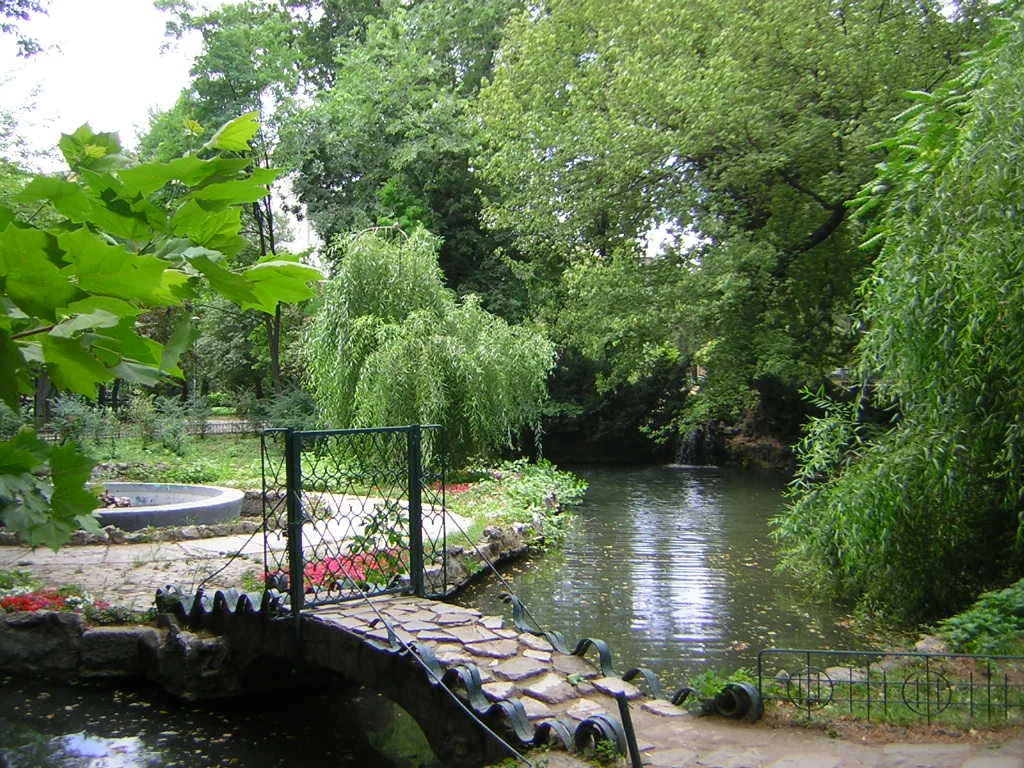
The short answer
Read current government advice before booking and again before departure. Keep your bags and papers close in cities. Confirm the transport. Ask the local operator or authority about mountain and boat trips. Check entry and medicine rules for your own needs. Keep insurance and emergency contacts available offline, and leave room to change the route when conditions require it.
What's covered8
- Is Romania safe? What official advice says
- Entry and local-rule checks by nationality
- City theft, scams and night travel
- Driving, mountains, wildlife and water
- Medical needs and emergency planning
- Apply advice to your own circumstances
- Questions: is Romania safe for your trip?
- Verdict on a prepared Romania visit
By Unseen Romania · Updated
Whether Romania is safe for your trip depends on the route, activities, your circumstances and current official advice. A city break, winter drive and mountain hike involve different risks. Use government advice for your nationality and local warnings for the places you will visit. Choose a route the group can manage.
Is Romania safe? What official advice says
The UK FCDO safety page covers theft, travel and regional security concerns. It also warns about drones linked to the war in Ukraine. It says to follow local alerts and rules.
Keep away from military debris. A quiet tourist spot is not a reason to ignore a local warning.
US travellers should read the State Department's Romania page. Use its current advisory and country details for the passport and needs that apply to you. A British passport guide cannot establish the rules for a US passport, and neither replaces Romania's entry rules.
Read the actual advice instead of a headline “safe” score from a travel site. Check which region or outing a warning addresses. A general country label can hide a local condition relevant to your route. Keep the official page saved, but open it again before travelling so you are not relying only on an old copy.
Entry and local-rule checks by nationality
Check your passport dates and how long you may stay. Check that the trip's purpose fits the entry rules before you pay. The FCDO entry page describes rules for full British citizen passports, including Schengen passport conditions.
Read the dates on your actual passport and account for travel elsewhere in the Schengen area.
For another nationality or a different immigration position, use the Romanian Border Police and the relevant Romanian consular details. Residence rights, work, study and tourism are different situations. Do not assume advice for a short holiday settles another type of stay.
If travelling with children, check the document and consent rules for the actual party and citizenship. Check the rules for any medicine or unusual kit you carry. A flight booking does not prove that everything you intend to carry is permitted.
Keep copies of important documents separately from the originals, with a way to reach them if the phone is lost. Record the issuing country's help route. A copy can help explain a loss. It does not replace an original document where an authority requires one.
City theft, scams and night travel
Keep bags and phones under your control in crowded streets, stations and transport. Use a bag you can close and check easily. Avoid putting valuables on a table edge or leaving them with a stranger while you order. These habits are useful even on a quiet day.
Choose transport through a clear, confirmed route. For a booked pickup, keep the provider and meeting point with the booking. If a payment or pickup is unclear, use the original contact route before replacing it. An unsolicited offer is not proof that the service you booked has failed.
For an evening out, decide how you will return before leaving the stay. Save the address and entrance instructions offline. Keep control of drinks and avoid accepting plans you cannot verify. If a venue or street feels wrong for your needs, leave and choose another plan.
The FCDO safety guidance gives current advice on crime and local laws. Apply it to the areas and activities in your itinerary.
Driving, mountains, wildlife and water
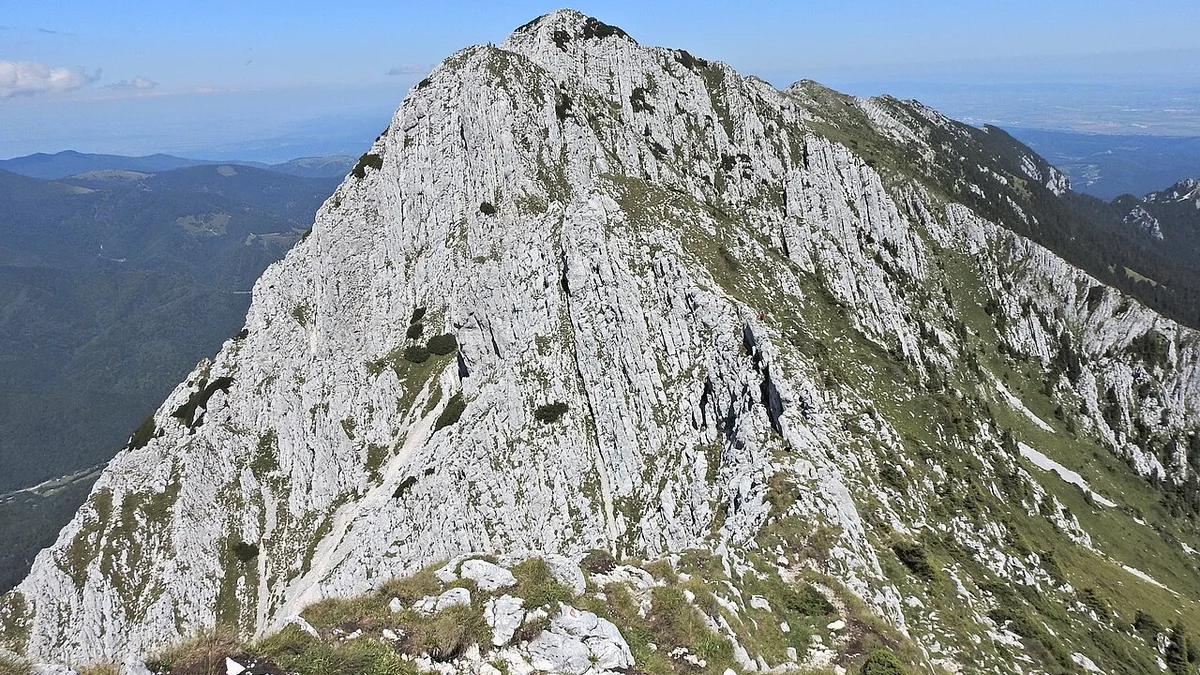
For driving, check the laws and conditions that apply to the actual route and season. Avoid scheduling a difficult drive after a long flight. Leave a flexible day if the trip depends on a mountain road. A scenic route being open in a summer photo does not establish winter access.
Use CNAIR for road details and ANM for weather warnings. The car-rental guide separates the rental contract from the route decision. A permitted rental vehicle is not proof that every road is suitable or covered.
For hiking, choose a route for the group's experience and conditions. Check local advice through Salvamont Romania. Carry the equipment the route requires and make a return plan.
A cable car, trail marker or nearby town does not remove the need for a mountain-weather check.
Keep distance from wildlife and do not approach animals for photos or food. For a boat or water outing, ask the operator about the route, weather policy and safety equipment. A calm-looking surface is not a complete assessment. On the coast, follow local beach flags and lifeguard instructions instead of advice based on the previous day's conditions.
For the Delta, check the departure point and local guidance before taking a boat. If regional alerts affect your route, follow the authorities' current instructions. The Delta guide and coast guide help plan the visit; official conditions still govern whether the outing should proceed.
Medical needs and emergency planning
The FCDO medical guidance gives 112 as the emergency medical number and advises checking treatment and insurance needs before travel. Keep your insurer's assistance details available offline. Know how to describe the address or location where help is needed.
Check what your insurance covers for the outings you actually intend to do. Hiking, driving and water outings can have different conditions. Read the exclusions and assistance steps before paying for an outing. Do not infer cover from the fact that a tour is marketed to visitors.
For medication, check the legal status and documentation required for what you carry. Keep it in suitable packaging that shows what it is. Resolve the rules before departure. A tip from someone with a different medicine does not settle the rules for yours.
If you may need medical care, plan how to reach it from each base. A remote stay may require a boat or long road journey. Raise access needs with the host or guide before booking and establish what help is available.
Apply advice to your own circumstances
Official advice describes issues and rules; it does not make the decision for every individual. Consider the party's mobility, travel experience and needs. A route that works for one group can be too demanding for another even in the same weather. Shorten the plan when the margin is too small.
Plan an alternative you can use when conditions change. Replace a cancelled mountain day with a town museum, or agree where to wait if a boat cannot depart. Leave enough flexibility that changing one outing does not force a rushed connection later.
For a general route, return to the Romania planning guide. For timing, compare seasons and regional conditions. Make those decisions together. A safe-looking transport booking can still fit badly if it requires an exhausting day or an arrival you cannot manage.
Questions: is Romania safe for your trip?
Can this guide tell me a trip is safe?
No. It can point you to current official advice and help identify the checks relevant to your route. Conditions and personal needs differ. Read the responsible authority's details, confirm the operator's plans and choose a plan you can manage.
Keep other options for weather, closures or a change in regional advice.
Is city advice enough for a hiking trip?
No. A mountain outing needs route, weather and equipment checks of its own. Choose the route for the group's experience and current conditions, and use Salvamont and local instructions. A comfortable city visit does not establish that a high trail or winter road is suitable for the same travellers.
What should I save offline?
Save the stay's address and your travel bookings. Keep the insurer's help number and the local emergency contacts. Keep copies apart from the real documents. Add the exact meeting points for tours and outings.
These records help when a connection or phone signal fails. They do not replace documents that must be presented physically.
When should I recheck official advice?
Read it while planning, before departure and whenever an event may affect the route. Check local conditions before a mountain, boat or road outing. A saved page is useful for reference but can become dated. Follow the latest local rules.
They take priority over an older route or tour advert.
Keep accessible funds for a changed connection or an extra night. The money guide separates trip spending from card holds and payment costs.
Verdict on a prepared Romania visit
“Is Romania safe?” needs a route-based answer. Use current official advice, check your documents and plan the outings for your needs. Keep transport and emergency details clear, with room to alter the trip. That planning is more useful than a blanket reassurance or a ranking that ignores where you will go.